Blog: Roof Inspection
Roof Problems in Arizona
The most common roof problems in Arizona are heat and UV damage, inadequate attic ventilation, roof leaks, monsoon storm damage and pests such as pigeons nesting under tile. Most start small and are hard to see from the ground, which is why professional inspections one to two times a year are the best defense.
Arizona Weather Is Tough on Roofs
Arizona is known for hot, dry weather. We get excited when a few drops of rain start falling. We do not get rain like the Pacific Northwest, but we do get intense monsoon storms, occasional flash flood warnings and some of the most extreme heat in the country.
That combination affects your roof in specific ways. This is why roof maintenance in Arizona matters and should be taken seriously to prevent major problems. Here are the roof issues we see most often on Valley homes.
Heat and Sun Damage
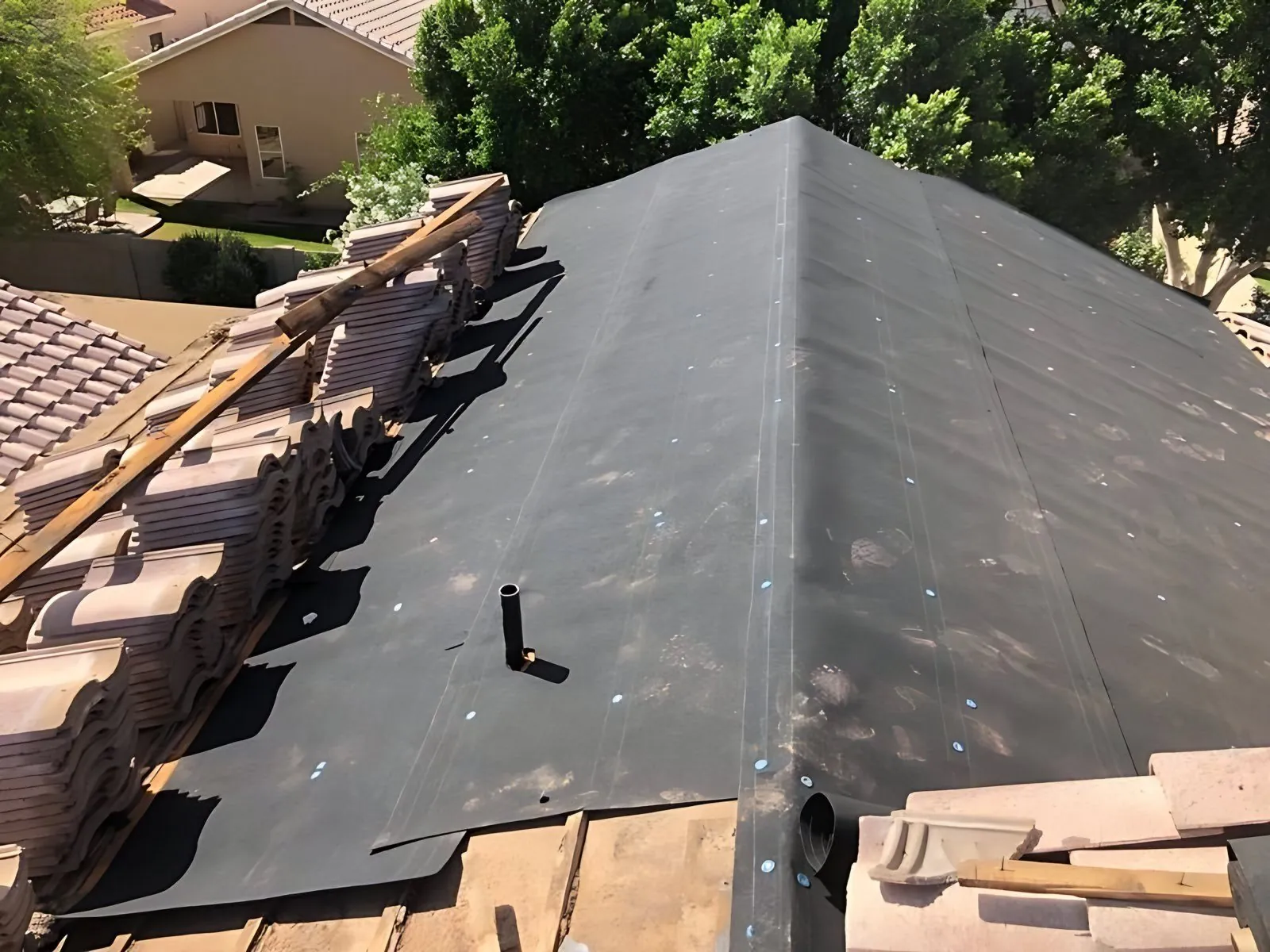
The most common roof problem in Arizona is damage from heat and sun. Intense UV rays break down roofing materials, and thermal shock, when hot roofing cools quickly during a storm or at night, causes materials to expand and contract repeatedly. Over time this can cause them to deteriorate, warp and lose years of life.
Signs to watch for include:
- Cracked, curling or blistered shingles
- Faded color across the roof surface
- Tile underlayment that is dried out, brittle or curling at the edges where it is exposed
- Foam roof coatings that are thin or worn, exposing foam to the sun
Inadequate Ventilation
When an attic is not properly ventilated, hot air gets trapped. The home becomes harder to cool, your air conditioning works harder and energy bills can climb. Trapped heat also bakes roofing materials from below, which can shorten their life, especially shingles.
Poor ventilation can also allow moisture to build up, and warm, moist attics are a breeding ground for mold and mildew. Signs include an attic that feels extremely hot and stuffy, musty odors or condensation stains on the underside of the roof deck.
Roof Leaks
Roof leaks are a major issue and should be addressed right away. Left alone, they can cause structural damage to the roof and home, mold and mildew growth and serious water damage to ceilings, walls and belongings. In Arizona, leaks are commonly caused by:
- Damaged or failed flashing
- Broken or slipped tiles exposing the underlayment
- Worn-out tile underlayment
- Cracked seals around vents, pipes and skylights
- Poorly drained flat roofs
For more detail, read causes of a leaking roof in Phoenix.
Monsoon Storm Damage
Monsoon storms bring heavy rain, strong winds, lightning and haboobs (dust storms). Wind throws debris, branches and twigs that can block gutters, valleys and roof drains. When drainage is blocked, water has nowhere to go but the roof. It can pool and work its way under the top layer, damaging both the surface and the underlayment. Strong winds can also lift shingles, shift tiles and drop heavy branches onto the roof. Occasional hail can crack tiles and bruise shingles.
Pests: Pigeons, Rodents and Insects
Pigeons are a very common roofing problem in Arizona. They nest under tile roofs, and their nests and droppings can trap debris, block water flow and damage underlayment. Rodents and termites can cause problems too, chewing or tunneling into roof decking and attic spaces. If you suspect rodents or insects, call a licensed pest control company as well as a roofer to repair any damage.
How Do You Know If Your Roof Is Damaged?
Many of these problems are hard to see from the ground, and walking on a roof is risky, particularly a tile roof that can crack underfoot. The best approach is a thorough inspection by a professional and reputable roofer. Having your roof inspected one to two times a year can save you a lot of money on repairs or an early replacement. Regular maintenance lets you take care of problems before they get out of hand, which extends your roof's life and the protection it provides.
Payne Roofing Inspections and Maintenance
Payne Roofing offers roof inspections and maintenance to Arizona homeowners. Our roofers have the experience and knowledge to perform a thorough inspection and present your repair options, if needed. Repairs include a 2 to 5 year warranty. Call 480-988-9250 or learn more about our roof inspection services. We look forward to taking care of your roof.
Questions & answers
What is the most common roof problem in Arizona?
Heat and sun damage is the most common. Intense UV and repeated heating and cooling break down roofing materials, causing cracked or curled shingles, brittle tile underlayment and worn foam coatings. Regular inspections catch this wear before it leads to leaks.
How does poor attic ventilation affect my roof?
Poor ventilation traps hot air in the attic, which makes your home harder to cool and can raise energy bills. The trapped heat also bakes roofing materials from below, shortening their life, and moisture buildup can encourage mold and mildew. A roofer can evaluate and improve ventilation.
Why are pigeons a problem for tile roofs?
Pigeons often nest under the edges of tile roofs. Nests and droppings can trap debris, block water from draining properly and damage the underlayment beneath the tiles. Repairing the damage and discouraging nesting helps protect the roof, and an inspection can show whether birds have already affected the underlayment.
How often should an Arizona roof be inspected?
Have your roof professionally inspected one to two times a year, ideally in spring and fall, plus after major monsoon storms. Regular inspections find small problems early, when repairs are simpler and less expensive, and they help you plan for replacement well before an aging roof fails.
Can monsoon storms damage a roof without causing a leak?
Yes. Wind can lift shingles, shift tiles and loosen flashing, and debris can block drains, all without an immediate leak. That hidden damage can turn into a leak during the next storm, which is why an inspection after major storms is worthwhile.
Talk to a roofer who knows Arizona roofs.
Call for a free estimate. Open Monday through Friday 7–5 and Saturday 8–2.