Blog: Roof Inspection
Patio Cover Leaks on Gilbert Homes: Why the Roof Tie-In Fails and How to Fix It
Most patio cover leaks on Gilbert homes start at the tie-in, where the cover joins the main roof or house wall. Worn flashing, sealant used in place of flashing, ponding on flat covers and aging tile underlayment are the usual causes. Look for stains near the patio from the ground, then have a roofer inspect the joint.
Why patio covers leak more than the rest of the roof
When a Gilbert homeowner calls us about a leak near the back of the house, the patio cover is one of the first places we look. The main roof over your living space is usually one continuous system. A patio cover is a second, separate structure attached to it, and the seam where the two meet is a weak spot by design.
Several things make that seam vulnerable:
- Two roofs, one joint. Water running off the main roof lands right where the patio cover attaches, so that joint handles more water than almost anywhere else.
- A lower slope. Many attached patio covers are flat or nearly flat, so water moves slowly and can pond instead of running off.
- Added later. Plenty of covers were built or extended after the home was finished, sometimes without the same care in flashing as the original roof.
- Sun and movement. Arizona heat makes materials expand and contract every day, which slowly opens up sealant and flashing joints.
None of this means your patio cover is failing. It means the tie-in deserves a closer look than it usually gets, especially as a home ages.
Why this matters right now in Gilbert
This has been a wet fall in the Valley. The National Weather Service in Phoenix reports that the October 30 to November 1 storm brought widespread totals of 1 to 2 inches across the lower deserts, with flooding in parts of the metro area. Another system on November 17 brought around a tenth to a quarter of an inch to most of the Valley.
Steady rain like that finds weak seams that a quick summer downpour might not. If you noticed a drip at the back door, a stain on a ceiling next to the patio, or water running down a wall onto the patio slab this month, the tie-in is a likely suspect. Winter is also a good time to deal with it, since the weather is mild and you are ahead of next year's monsoon season, which runs June 15 to September 30.
Signs your patio cover tie-in is leaking
You can spot most warning signs from the ground or from inside. Please stay off the roof and the patio cover itself. Tile cracks easily underfoot, many patio covers are not built to carry a person's weight, and falls are a real danger. Look for:
- Ceiling stains or peeling paint on interior ceilings or walls closest to the patio, such as a family room or kitchen nook.
- Stains, bubbling or sagging on the underside of the patio cover itself, especially near the house wall.
- Water streaks or efflorescence (a white, chalky residue) on the stucco where the cover meets the house.
- Gaps, cracked caulk or rusted metal along the joint, visible with binoculars.
- Standing water or debris on a flat patio cover after rain, which you can sometimes see from an upstairs window.
- Drips or rot at beams and posts, or wood that feels soft when you press it.
If you spot any of these, our guide on how to find a roof leak walks through safe ways to narrow down the source.
What usually causes the leak
Every patio cover is a little different, but the same handful of problems shows up again and again:
Worn or missing flashing
Flashing is the metal that bridges the gap between the two roofs and directs water away from the joint. When it was never installed well, has rusted, or has pulled loose, water gets behind it. Our post on roof flashing repair signs covers this in more detail.
Sealant used in place of flashing
Caulk and roof mastic are helpful as a backup, but they dry out and crack in our sun. A joint that relies on sealant alone tends to leak again within a few seasons.
Ponding on a low-slope cover
A flat patio cover needs enough slope to drain. When water sits, it works its way into seams, and the roofing material wears out faster.
Aging underlayment on a tile roof
On many Gilbert homes, the patio cover ties into a concrete tile roof. If the underlayment beneath the tile is near the end of its life, water can travel down the main roof and come out right at the patio joint, even when the flashing looks fine.
What Gilbert homeowners should know about HOAs and permits
Most Gilbert subdivisions have an HOA, and many have rules about patio covers and roof materials. Repairing an existing patio cover with matching materials usually does not change its appearance, but extending a cover, changing its roofing material or replacing it entirely may need architectural review. Our guide to HOA roofing rules in Arizona explains what to check before work starts.
Permits are a separate question. The Town of Gilbert's Development Services department publishes building permit checklists and a typical detail for covered patios. If you are building a new cover or making structural changes, check with the Town before work begins. A repair to the roofing on an existing cover is a different job, and a licensed roofer can tell you what applies to yours.
Homes with large outdoor living areas, like many in Whitewing at Wiehl Estates, and older homes that mix tile with flat roofing sections, like some in Finley Farms, are good examples of where these tie-ins deserve regular attention.
Repair or rebuild? How the fix usually works
The right repair depends on what an inspection finds. In many cases the fix is focused on the joint itself:
- Replacing or adding proper flashing where the patio cover meets the house wall or the main roof.
- Lifting and resetting tile near the tie-in, replacing damaged underlayment underneath and reinstalling the tile.
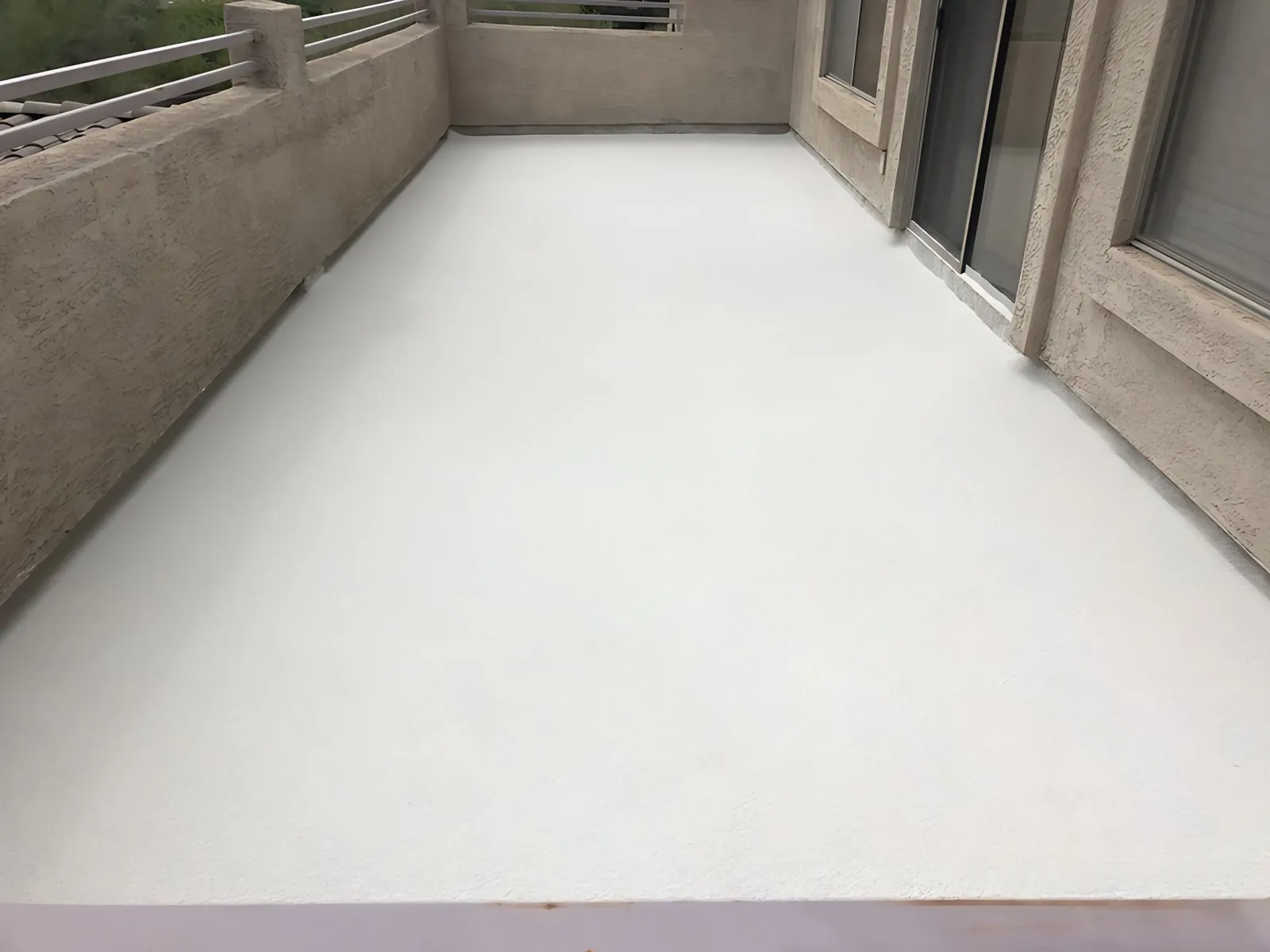
- Re-roofing the patio cover with a material suited to low slopes, such as a roof coating system or spray foam, when the existing surface has worn out.
- Correcting drainage so water no longer ponds on a flat cover.
If the framing has rotted or the cover was not built to hold up, rebuilding may be the better long-term choice. You can learn more about our roof repair and maintenance services and about flat, foam and coated roofs in our FAQ.
Get your patio cover checked by a Gilbert roofer
Payne Roofing is a family-owned company based right here in Gilbert, and we have served Arizona homeowners since 1984. We see patio cover tie-ins on homes all over town, from the lake communities in north Gilbert to the newer subdivisions in the south.
A roof inspection checks the patio joint, the flashing, the underlayment near the tie-in and the drainage on the cover, then explains what needs attention now and what can wait. Learn more about our work across town on our Gilbert roofing page, or call 480-988-9250 to schedule. Our office hours are Monday through Friday, 7 am to 5 pm, and Saturday, 8 am to 2 pm.
Questions & answers
Why does my patio cover only leak during long rains?
A slow, steady rain gives water time to work into small gaps at the joint where the patio cover meets the house. A quick storm often runs off before it finds those gaps. Long rains also let water pond on flat covers. If leaks show up only in steady rain, the flashing or sealant at the tie-in is a likely cause.
Can I just caulk the gap where my patio cover meets the house?
Caulk can slow a leak for a while, but it is rarely a lasting fix. Arizona sun dries and cracks sealant within a few seasons, and the real problem is often missing or failed flashing. Please do not climb onto the patio cover to apply it, since many covers are not built to hold a person's weight. Have a roofer look at the joint instead.
Is a patio cover leak a roof problem or a patio problem?
It is usually a roof problem, because most leaks start at the tie-in where the patio cover joins the main roof or house wall. That joint relies on roofing details like flashing and underlayment. A roofer can check both the cover and the main roof above it, which matters on tile roofs where water can travel before it shows up.
Do I need HOA approval to repair my patio cover in Gilbert?
It depends on your HOA and the scope of the work. A repair that keeps the same look and materials often needs no design review, though some associations still want notice. Extending a cover, changing the roofing material or rebuilding it usually needs approval. Check your CC&Rs or ask your HOA before work begins.
When is the best time to fix a leaking patio cover?
The best time is soon after you notice it, ideally before more rain arrives. Fall and winter are good seasons for the work in Gilbert because temperatures are mild. Fixing it now also gets the joint ready before monsoon season starts on June 15, when heavy, wind-driven rain puts the most stress on patio tie-ins.
Talk to a roofer who knows Arizona roofs.
Call for a free estimate. Open Monday through Friday 7–5 and Saturday 8–2.