Blog: Roof Inspection
A Strong El Niño Winter Is Coming: How to Get Your Arizona Roof Ready
A record-strong El Niño raises the odds of a wetter-than-normal winter in Arizona, with the best chances for rain from January through March. After a dry 2026, many roofs have not been tested by steady rain in months. Schedule an inspection now, clear drains and gutters, and fix small problems before the storms arrive.
What forecasters are saying about this winter
A strong El Niño is building in the Pacific, and forecasters expect it to shape weather across the country this winter. In early October, NOAA's Climate Prediction Center put the odds of a strong to very strong event through early 2027 above 80 percent and said it could rank among the strongest since 1950.
For Arizona, that matters because strong El Niño years tend to push the Pacific jet stream south. That steers more storm systems than usual across the southern United States, including the Valley. University of Arizona climate scientist Michael Crimmins told KJZZ that this shift could start in October or November and last into early spring, with the best chance for rain in January, February and March.
It is a forecast of odds, not a promise. The last strong El Niño, in 2016, kept storms farther north and left much of Arizona drier than normal. Still, the outlook leans wet, and it is a good reason to make sure your roof is ready.
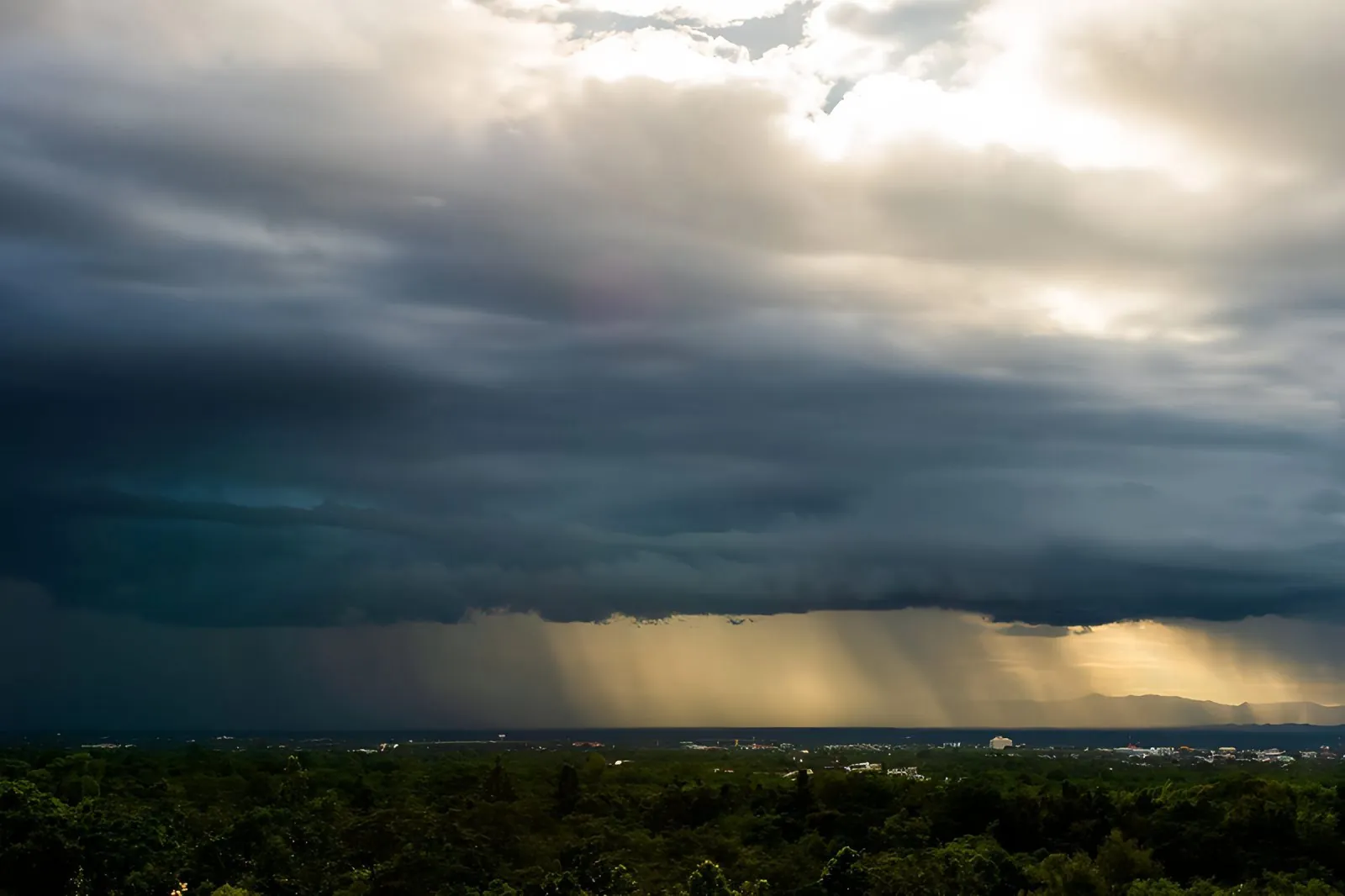
Why a dry year makes this winter a bigger test
Phoenix has had a very dry 2026. By early September, Sky Harbor had recorded well under half of its usual rainfall to that point in the year, according to National Weather Service data reported by KJZZ. A weak monsoon is easy on homeowners in the short term, but it also means many roofs have gone months without a real test.
Meanwhile, the summer heat and UV kept working. Sun-baked sealant around vents can shrink and crack, shingles lose granules, and the underlayment beneath tile keeps aging whether it rains or not. Problems like these often stay hidden until a long, steady rain finds them.
Winter storms in the desert are different from monsoon bursts. Instead of a short, intense downpour, winter systems can bring hours of soaking rain, sometimes several days in a row. That slow soak is exactly what exposes worn spots. Our winter roof care tips explain more about how winter rain behaves on Valley roofs.
Schedule a roof inspection before the rain arrives
The simplest step is a professional inspection in November or December, while the weather is mild and before the wettest months. We recommend one to two inspections a year, in spring and fall, and fall is the one that sets you up for winter.
A good inspection looks at the parts that usually fail first in Arizona:
- Flashing around chimneys, skylights, walls and roof penetrations
- Pipe boots and vent seals that have dried out in the sun
- Cracked, slipped or missing tiles, and the condition of the underlayment where it can be seen
- Worn, curling or bare shingles
- Low spots, blisters or worn coating on flat and foam roofs
- Roof drains, scuppers, valleys and gutters
Our roof inspection service covers all of this, and our guide on what happens during a roof inspection walks through the visit step by step.
Simple checks you can do from the ground
You do not need to climb a ladder onto the roof to spot early warning signs. Please stay off the roof entirely. Tile cracks easily under foot traffic, and falls are a real danger. Instead, try these safe checks:
- Walk the yard with binoculars. Look for broken or shifted tiles, missing shingles, or debris piled in valleys.
- Look at your ceilings. Check for faint stains or bubbling paint, especially in closets and rooms you rarely use.
- Peek into the attic. If you can reach it safely, use a flashlight on a dry day and look for stained wood, damp insulation or daylight around vents.
- Check gutters and downspouts from a ladder on firm ground. Clear leaves and dust so water can drain away from the house.
- Watch the yard during the first rain. Note where water spills over gutters or pools near the foundation.
If you find anything, write it down and take a photo. Those notes help a roofer find the source faster.
Tile roofs: the underlayment is the real concern
Tile is the most common roof across much of the Valley, and it holds up well. The tiles themselves can last 50 years or more. The weak point is usually the underlayment underneath, which often needs attention somewhere around 20 to 30 years. Once it gets brittle or torn, water that slips past the tiles has nowhere safe to go.
This is especially relevant in master-planned communities built in the 1990s and 2000s, such as Ocotillo in Chandler and many neighborhoods across Gilbert and Mesa. Many of those roofs are now at the age when underlayment wear starts to show up as winter leaks.
If your home is in that range, ask about the underlayment during your inspection. Our guide to tile roof underlayment replacement explains how a re-felt works and when it makes sense.
Flat and foam roofs: keep the water moving
Flat and low-slope roofs face a different winter challenge. Long, steady rain can leave water sitting in low spots for days. Ponding water wears down coatings faster and works its way into small cracks and seams.
Before winter, make sure drains and scuppers are clear of leaves, dust and nests. On spray foam roofs, the coating is what protects the foam from UV and water. If the coating looks thin, chalky or worn through after a hot summer, a recoat before the rainy months is worth discussing. Our guide on foam roof care and recoating covers what to look for, and the flat, foam and coated roofs FAQ answers common questions.
Get repairs done while the weather is mild
Late fall and early winter are comfortable months for roofing work in the Valley. Crews can work steady days without the summer heat, and you have time to plan instead of reacting to a leak in the middle of a storm.
If your inspection turns up small problems, such as a cracked vent seal, a few broken tiles or loose flashing, getting them handled now is usually far easier than dealing with a ceiling stain later. If the report points to bigger issues, the cooler months give you time to compare options and get any HOA approvals lined up. Our roof repair and maintenance service handles everything from small fixes to tile re-felts.
Keep the photos and paperwork from your inspection and any repairs. Good records help if you ever need to show the condition of your roof before a storm. Insurance coverage always depends on your policy, but documentation never hurts.
If a leak starts during a storm
Even a well-kept roof can surprise you. If water shows up inside, move furniture and electronics out of the way, put a bucket under the drip and soak up water so it does not spread. Take photos of the leak and any damage. Do not go up on the roof in the rain.
Then give us a call at 480-988-9250. Our hours are Monday through Friday, 7 am to 5 pm, and Saturday, 8 am to 2 pm. We handle emergency roof repairs during business hours, and if you call after hours, leave a voicemail and we will call you back. Our guide on how to find and stop a roof leak has more tips for the meantime.
Questions & answers
Does El Niño mean Phoenix will definitely get a wet winter?
No, El Niño raises the odds of a wetter winter but does not guarantee one. Strong El Niño years tend to steer more storms across the southern United States, and forecasters see the best chances for Arizona rain from January through March. However, the 2016 strong El Niño left much of the state drier than normal, so it is wise to prepare without assuming any particular outcome.
When is the best time to have my roof inspected before winter?
November or December is ideal, before the wettest stretch of the season begins. That timing gives you a clear picture of your roof's condition after the summer heat and leaves enough mild weather to complete any repairs. We generally recommend inspections once or twice a year, in spring and fall, and after major storms.
Can I check my roof myself before the rain?
Yes, but do it from the ground and from inside, not on the roof. Use binoculars to look for broken tiles, missing shingles or debris, check ceilings and closets for stains, and look into the attic with a flashlight if you can do so safely. Walking on a roof is dangerous, and tile cracks easily under foot traffic, so leave rooftop work to a professional.
Why do tile roofs leak in winter if the tiles look fine?
Usually because the underlayment beneath the tiles has worn out. Tiles shed most of the water, but the underlayment is the real waterproof layer, and it often needs attention around 20 to 30 years. Long, steady winter rain gives water more time to slip past tiles and find brittle or torn spots underneath, which is why winter leaks often point to underlayment wear.
What should I do if my roof leaks after business hours?
Contain the water, take photos and call us at 480-988-9250 to leave a voicemail. Move valuables out of the way, put a container under the drip and soak up standing water. Please do not climb onto a wet roof. We do not offer an after-hours line, but we return voicemails and handle emergency repairs during business hours, Monday through Friday 7 to 5 and Saturday 8 to 2.
Talk to a roofer who knows Arizona roofs.
Call for a free estimate. Open Monday through Friday 7–5 and Saturday 8–2.