Mesa neighborhood
Roofing services in Boulder Mountain, Mesa, Arizona
Boulder Mountain, recorded as Boulder Mountain Highlands, is a gated neighborhood in east Mesa (ZIP 85207) with direct access to Usery Mountain Regional Park. Homes were built from about 1997 to 2000 with tile roofs, so the original underlayment is now 25 years or older, and several owners have already re-roofed.
About Boulder Mountain
Boulder Mountain Highlands, whose HOA goes by Boulder Mountain, is a gated single-family neighborhood in east Mesa, ZIP 85207. It borders the desert at the edge of Usery Mountain Regional Park, and residents use walking paths that lead toward its trails. With few street lights, it is known as a quiet, dark spot for stargazing.
Homes were built from about 1997 to 2000 and range from roughly 1,500 to 3,000 square feet. Listings show tile roofs, and several homes have had their roofs replaced in recent years.
Roofing considerations for Boulder Mountain homes
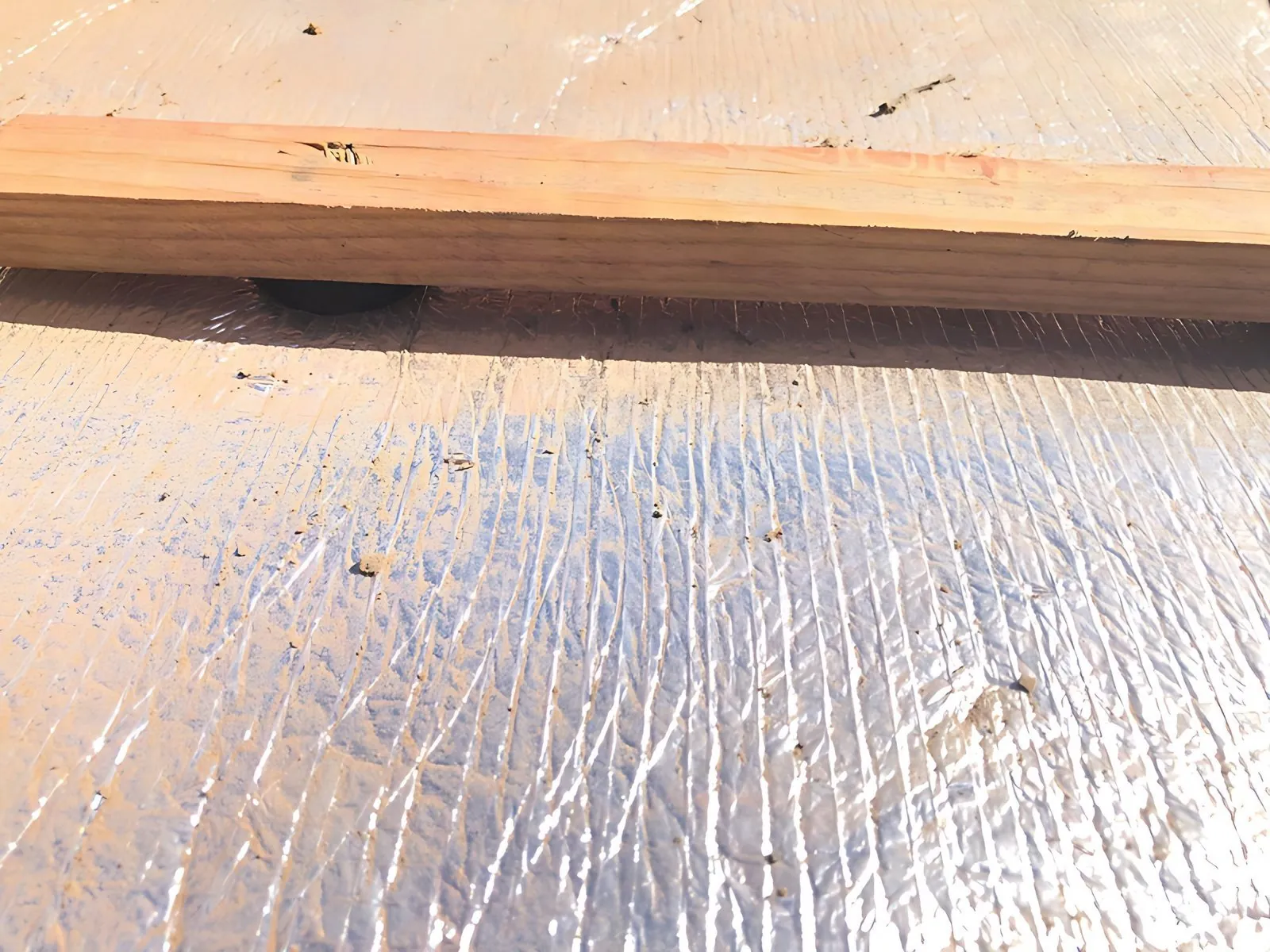
- Underlayment age. Original underlayment on these late-1990s homes is now 25 years or older. Tiles often still look fine while the layer beneath has dried out and cracked.
- Neighbors are re-roofing. Some homes here have already been re-roofed. If yours has not, it is worth an inspection to see where it stands.
- Desert edge exposure. Homes next to open desert catch stronger monsoon gusts and wind-blown debris, which can lift edge and ridge tiles.
- Desert wildlife. Packrats and birds can nest under tile edges, so bird stops and screening matter.
- Gate and HOA. We coordinate gate entry, and the HOA may need to approve material or color changes.
How Arizona weather affects roofs in Boulder Mountain
- Extreme heat and UV. Summer roof surfaces get far hotter than the air. Years of heat and UV dry out tile underlayment, age shingles and break down roof coatings.
- Monsoon storms. Arizona's monsoon season runs June 15 to September 30. Sudden wind gusts lift tiles and shingles, and short, heavy downpours find any weak spot in flashing or underlayment.
- Dust storms and debris. Haboobs and wind-blown debris fill valleys, gutters and flat-roof drains, which can back water up under roofing.
- Winter rain. Slow, steady winter rains expose small leaks that summer storms started.
Most roof trouble in the Valley starts small. A spring and fall inspection catches it early. See our monsoon roof tips for a checklist.
Roofing services for Boulder Mountain
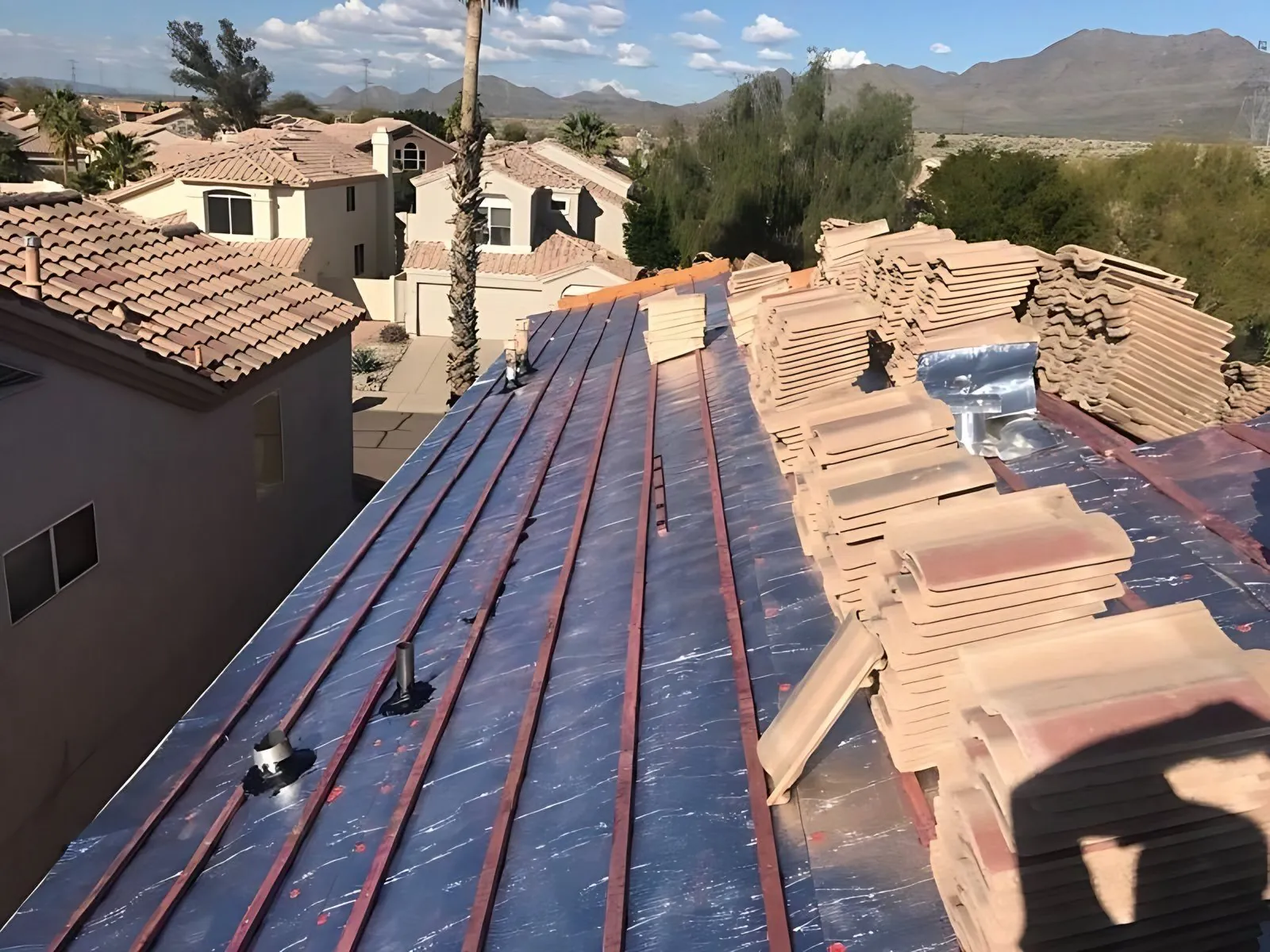
We provide roof inspections, leak and tile repairs, bird stop and screening work, tile re-felts and complete re-roofs. Re-roofs offer 10, 15 or 20-year warranty options.
Roofing services in Boulder Mountain
Boulder Mountain roofing questions
Who provides roof repairs in Boulder Mountain, Mesa?
Payne Roofing repairs and re-roofs tile homes in Boulder Mountain Highlands and throughout Mesa. We are a family-owned roofing contractor based in Gilbert, licensed under ROC #138549 and #194202, and we have served Arizona since 1984. Call 480-988-9250 for a free estimate.
My Boulder Mountain home still has its original tile roof. What should I do?
Have it inspected. On a roof from the late 1990s, the underlayment is past 25 years, which is when it commonly becomes brittle and starts letting water through. If it is worn, a re-felt replaces the underlayment and reuses the sound tiles, which is often more practical than new tile.
Why do homes next to the desert see more roof damage?
Open desert gives wind room to build up, so monsoon gusts hit edge homes harder and carry more debris. That can lift ridge and edge tiles and pack valleys with sand and brush. A check after big storms catches loose tiles before rain gets underneath.
How do I keep packrats and birds out from under my roof tiles?
Make sure bird stops and eave closures are intact. Animals get in through gaps at the lowest row of tiles and at the ridge. We can replace missing bird stops, close openings and remove nesting debris, which also helps water drain the way it should.
How should Boulder Mountain homeowners prepare their roofs for monsoon season?
Schedule an inspection in spring, replace cracked or loose tiles, clear valleys of desert debris and confirm that ridge caps are secure. Older underlayment is the biggest risk, so if yours is original, have its condition checked before the June 15 start of monsoon season.
Talk to a roofer who knows Arizona roofs.
Call for a free estimate. Open Monday through Friday 7–5 and Saturday 8–2.