Homeowner tip
Monsoon Season Roof Tips
During Arizona's monsoon season, June 15 through September 30, keep gutters and drains clear, secure loose items, and know what to do if a leak starts. Stay off the roof during and after storms, document any damage, check from the ground and attic, and call a roofer for repairs.
Before the storms
Monsoon season officially runs June 15 through September 30. If you did not prepare in spring, it is not too late to do a few important things:
- Clear gutters, downspouts, valleys and flat roof drains of dust and debris.
- Trim branches that overhang the roof.
- Secure patio furniture, umbrellas and anything that could blow onto the roof.
- Have known problems, such as cracked tiles or a past leak spot, repaired as soon as possible.
- Save your roofer's phone number in your contacts.
- Know where your attic access is and keep a flashlight and buckets handy.
For a complete list, see our monsoon roof preparation checklist.
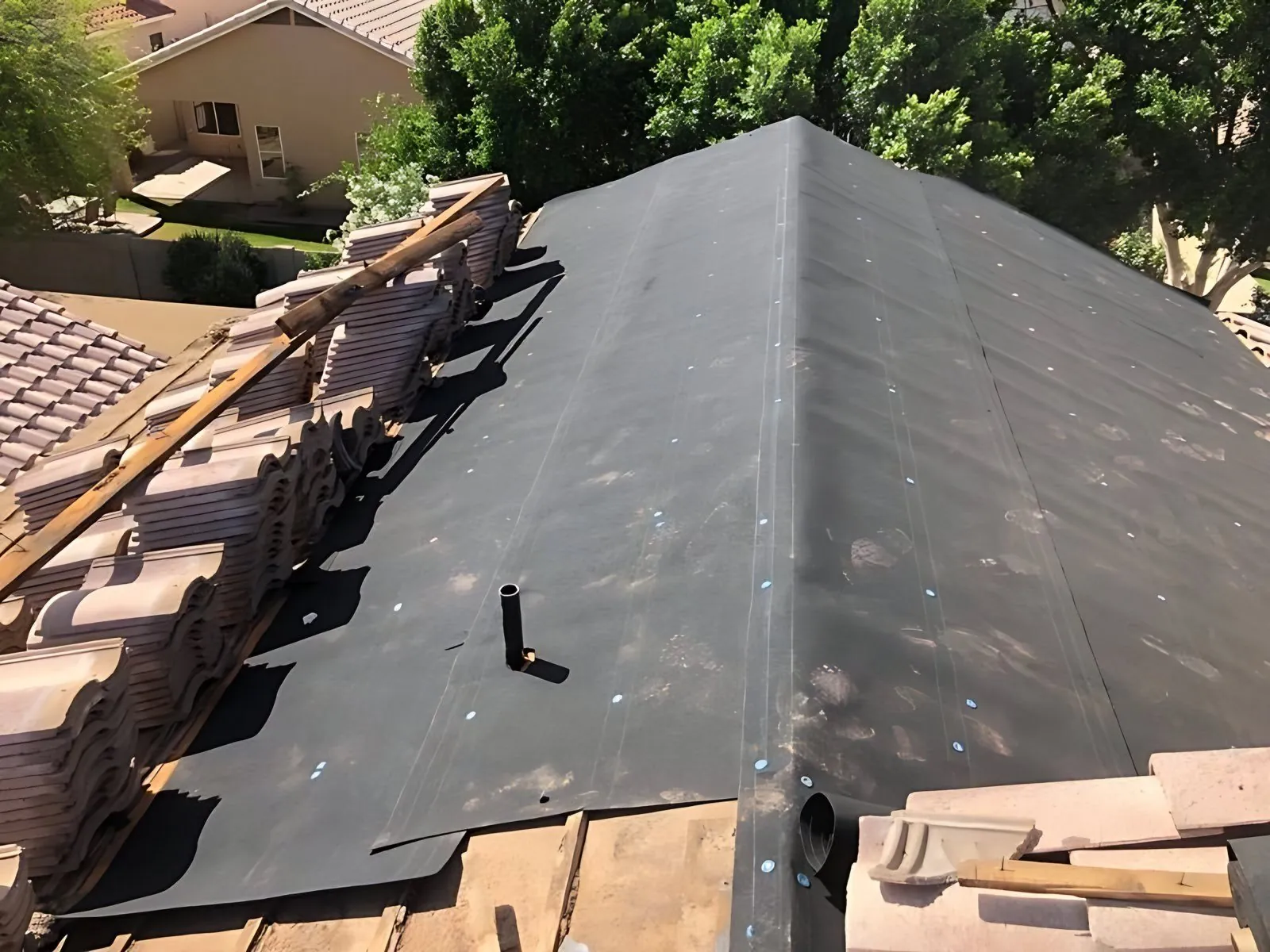
During a storm
- Stay inside and off the roof. Monsoon gusts and lightning are dangerous, and wet roofs are slippery.
- Watch ceilings near skylights, valleys and exterior walls.
- If a leak starts: put a bucket under it, move belongings, and turn off power to any wet light fixtures.
- Take photos of drips and stains with the date and time.
After a storm
Once the storm passes and it is safe:
- Walk around the house and use binoculars to look for missing shingles, broken or displaced tiles and debris.
- Check gutters and downspouts for damage and clogs, and look for piles of granules.
- Look for damage to rooftop equipment such as coolers, AC units and solar panels.
- Check the attic with a flashlight for wet wood or insulation.
- Check ceilings throughout the house for new stains.
If there was hail or very high wind, schedule a professional inspection even if you see nothing obvious. Damage like bruised shingles or cracked underlayment is hard to spot from the ground.
Haboobs and dust
Dust storms leave a layer of dirt on roofs, in gutters and in drains. That dust can turn to mud in the next downpour and clog drainage. After a haboob, check gutters and, on flat roofs, have drains and scuppers cleared if you see debris buildup. Dust also dulls reflective coatings, reducing how well they reflect heat.
Getting help fast
Roofers get busy during monsoon season, so call promptly if you have a leak or damage. Payne Roofing offers prompt emergency roof repairs. Call 480-988-9250 during business hours; if you reach voicemail, leave your name, address and a description of the problem, and the team will call you back as soon as it can. Learn more about roof repairs.
Questions & answers
What should I do if my roof leaks during a monsoon?
Contain the water first: put a bucket under the drip, move belongings, and turn off power to any wet fixtures. Stay off the roof. Take dated photos, then call a roofer. Payne Roofing offers prompt emergency repairs; call 480-988-9250 during business hours.
How do I check my roof for monsoon damage?
Use binoculars from the ground to look for missing shingles, broken tiles and debris, then check gutters, the attic and ceilings for signs of water. Do not climb onto the roof. If there was hail or high wind, a professional inspection can find damage you cannot see.
Can dust storms damage my roof?
Haboobs rarely damage roofing directly, but the dust they leave clogs gutters and drains and can cause water to back up in the next storm. Dust also dulls reflective coatings. Clearing drainage paths after a dust storm helps prevent leaks.
Should I get my roof inspected after monsoon season?
Yes, a fall inspection is a good idea after monsoon season ends on September 30. It catches storm damage that may not have leaked yet, such as loose flashing or cracked tiles, so it can be repaired before winter rains.
Talk to a roofer who knows Arizona roofs.
Call for a free estimate. Open Monday through Friday 7–5 and Saturday 8–2.