Blog: Roof Inspection
Roof Flashing Repair: Signs You Need Us
Roof flashing needs repair when it is rusted or corroded, loose or missing, bent or cracked, or when you see water stains near chimneys, skylights, vents or walls. Flashing seals the joints where water most often gets in, so damaged flashing is one of the most common causes of leaks on Arizona roofs.
Arizona Weather Is Hard on Flashing
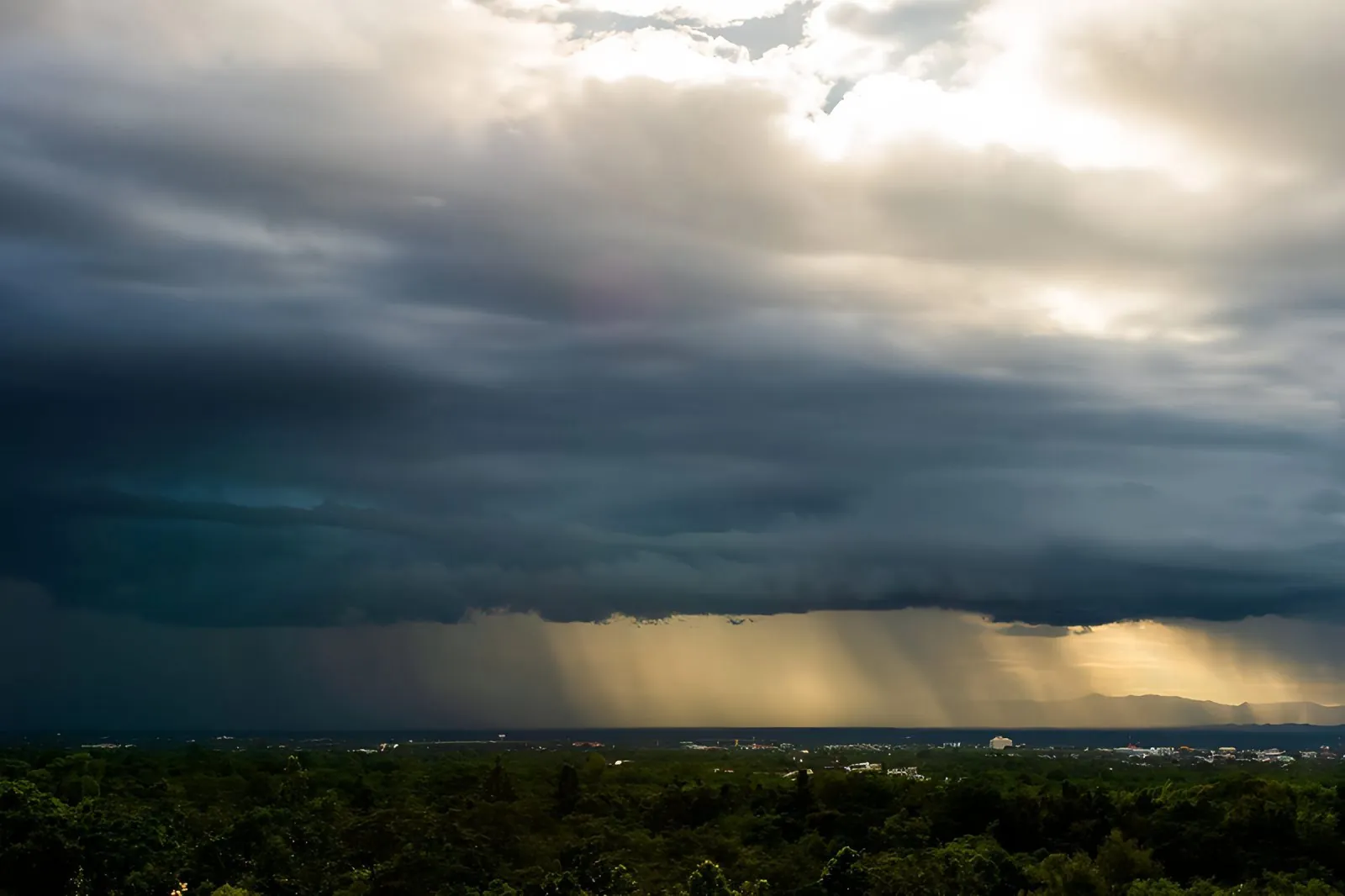
Arizona is known for extreme weather, from intense monsoon storms to blistering summer heat. That unique climate creates plenty of opportunities for roof damage, and flashing is one of the first places it shows up.
With occasional heavy rain, high winds and constant heat, most roofs will eventually need flashing repairs. Ignoring damaged flashing allows water into the roof structure, which over time can rot decking and framing and lead to much larger repairs. Knowing the warning signs helps you catch problems early and avoid costly repairs or a premature replacement.
What Is Roof Flashing?
Roof flashing is metal installed wherever the roof has a joint or where a vertical surface meets the roof. Common locations include:
- Chimneys and walls that rise above the roofline
- Skylights
- Plumbing vents and exhaust vents
- Valleys, where two roof slopes meet
- Roof-to-wall transitions, such as where a patio roof meets the house
- Edges and drip edges
The job of flashing is to direct water away from those joints so it cannot seep into the gap. Because these are the most complex parts of any roof, they are also where most leaks start.
Sign 1: Rust and Corrosion
Metal flashing can rust or corrode over time. Steel flashing is often coated with zinc (galvanized) to slow rust, but as that protection wears, rust can develop, especially where water, debris or dust sit against the metal. Aluminum resists rust but can corrode when exposed to certain chemicals, moisture or contact with incompatible metals. Rusted or corroded flashing can thin out and develop holes. From the ground, look for orange or brown streaks around chimneys, vents and wall flashing.
Sign 2: Loose or Missing Flashing
Monsoon winds in Arizona can be strong enough to topple trees. If the wind can do that, it can certainly lift or pull off flashing. Once flashing is loosened or missing, water has a direct path into the roof structure. Sealants that hold flashing in place also dry out and crack in the heat, which makes it easier for wind to pry the metal loose. After a strong storm, scan your roof with binoculars for pieces that look lifted, out of place or missing.
Sign 3: Bent, Warped or Cracked Flashing
Arizona's temperature swings cause metal to expand and contract repeatedly. Over time, flashing can bend and warp, and the constant movement can eventually lead to cracks, especially at seams and fasteners. Even a minor crack can let water into the roof structure. Branches and debris blown onto the roof during storms can also dent or bend flashing.
Sign 4: Interior Water Stains and Leaks
Water stains on ceilings or walls are never a good sign. Between the roof surface and your ceiling are several layers: roofing, underlayment, decking, insulation and drywall. By the time a stain appears inside, water has already worked through several of them. Stains near a chimney, skylight, exterior wall or below a roof valley often point to failed flashing. Do not wait to have them checked.
Why Flashing Repair Should Be Done by a Pro
Flashing repair often involves lifting surrounding shingles or tiles, removing old sealant, replacing or refastening metal and rebuilding the watertight layers in the correct order. Done incorrectly, a flashing repair can direct water into the roof instead of away from it. On tile roofs, the work also requires knowing how to move and replace tiles without breaking them. For your safety and the roof's, we recommend leaving it to a professional.
Roof Flashing Repair From Payne Roofing
If you think your flashing is damaged, call the experts. Payne Roofing is an Arizona roofer based in Gilbert, serving Phoenix and the East Valley since 1984. We will find the source of the problem and restore your roof, and our repairs include a 2 to 5 year warranty. Call 480-988-9250 or learn more about our roof repair services.
Questions & answers
What does roof flashing do?
Roof flashing seals the joints on a roof, such as around chimneys, skylights, vents, valleys and walls, and directs water away from those gaps. Because these joints are the most complex parts of a roof, damaged flashing is one of the most common causes of roof leaks.
How do I know if my roof flashing is bad?
Look for rust or corrosion streaks, flashing that is lifted, bent or missing, cracked sealant around the metal and water stains on ceilings near chimneys, skylights or walls. Use binoculars from the ground rather than climbing on the roof, and call a roofer to confirm.
Can flashing be repaired, or does it need replacing?
It depends on the damage. Loose flashing can sometimes be refastened and resealed, while rusted, cracked or badly bent flashing usually needs replacement. A roofer will evaluate the flashing and surrounding materials and recommend the repair that will stay watertight.
Why does flashing fail in Arizona?
Arizona heat makes metal expand and contract daily, which can bend, warp and crack flashing over time. Sealants dry out in the sun, and monsoon winds can lift loosened pieces. Debris from storms can also dent or displace flashing.
Is a flashing leak an emergency?
An active leak should be addressed as soon as possible, because water spreads into decking, insulation and drywall. Payne Roofing provides prompt emergency repairs. Call 480-988-9250 during business hours, and if you reach voicemail, leave your name, address and a description of the problem so we can call you back as soon as we can.
Talk to a roofer who knows Arizona roofs.
Call for a free estimate. Open Monday through Friday 7–5 and Saturday 8–2.