Blog: Monsoon
Monsoon Storms 2024
Arizona monsoon storms can damage roofs through high winds, sudden heavy rain, dust storms, hail and falling debris. Much of that damage is hidden, such as cracked tiles, loosened flashing or water working under the roofing, and may not leak until a later storm. An inspection after a significant storm catches it while repairs are still small.
A Wild Monsoon Season
The 2024 monsoon storms were wild. We welcome the rain in the desert, but with it come roof leaks. And an unnoticed leak is still roof damage, often growing quietly until the water damage becomes impossible to miss.
Your roof defends your family against the elements: hot sun, heavy rain, intense wind and hail. Monsoon season, which officially runs June 15 to September 30, tests every one of those defenses in a short time. This post looks at what monsoon storms actually do to a roof, and why the damage you cannot see matters as much as the damage you can.
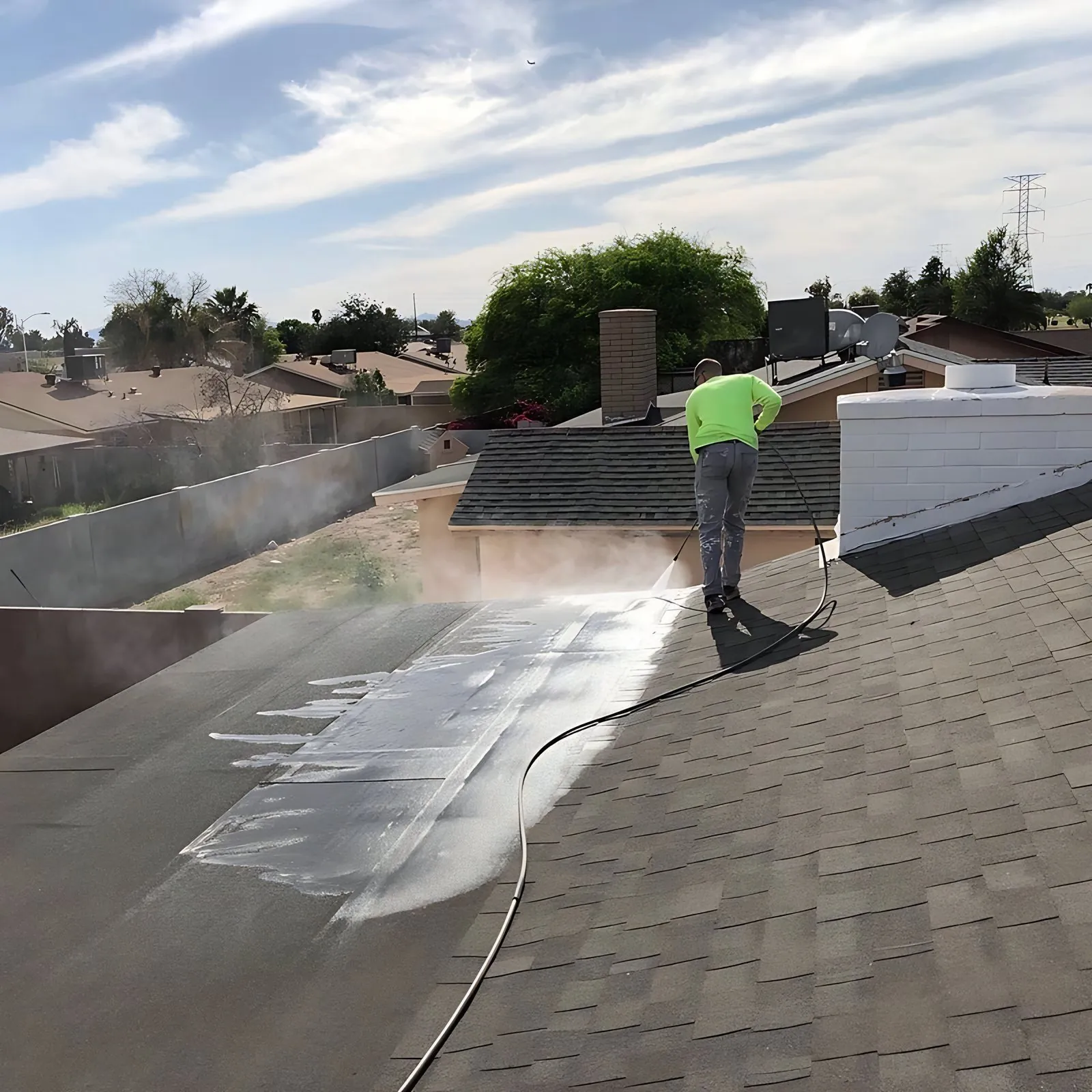
What Monsoon Storms Do to Roofs
High winds and microbursts
Strong gusts can lift and tear off shingles, shift or crack tiles and loosen flashing. Wind can also bring down heavy tree limbs and blow debris onto the roof.
Sudden, heavy rain
Monsoon rain often falls fast. Gutters, valleys and drains can be overwhelmed, and any weakness, such as a slipped tile, a cracked seal or worn underlayment, gets tested all at once.
Dust storms (haboobs)
Dust and debris pile into gutters, valleys and roof drains. When the rain follows, blocked drainage can send water under roofing or cause ponding on flat roofs.
Hail
Occasional hail can crack tiles, bruise shingles, knock loose granules and puncture coatings or foam.
Lightning
Lightning can damage roofs and rooftop equipment directly or by starting fires. If you suspect a lightning strike, call emergency services first and have the roof inspected afterward.
Before or After a Storm: Both Are Good Times to Inspect
We are happy to talk with you about inspecting your home or business before monsoon season to prepare, or after a storm to check for damage. An inspection can catch small things, such as broken or slipped tiles and areas that are not sealed properly, before they turn into big problems.
When was the last time your roof was inspected? Many homeowners have never had their roof inspected, or have done it only once or twice. If that sounds familiar, this season is a good time to start.
Signs to Look For After a Storm
- Shingles, tiles or pieces of flashing in your yard
- Visible gaps, lifted shingles or slipped tiles (check with binoculars)
- Branches or debris on the roof
- Granules collecting at downspouts
- New stains on ceilings or walls
- Water standing on flat roof sections
Stay off the roof after a storm. Wet roofs are slippery, and tile cracks easily underfoot. If you find damage and plan to contact your insurance company, take photos from the ground. Coverage depends on your policy, but we can document what we find during an inspection to help you explain it.
Prevention Costs Less Than Catastrophe
Waiting until major damage occurs is usually more expensive than preventive maintenance. A repaired tile or resealed flashing is a small job; replacing water-damaged decking, insulation and drywall is not. Catching and repairing minor issues before the next storm takes its toll protects your home and your budget. We recommend inspections one to two times a year, plus checks after significant storms.
Schedule Your Inspection
Payne Roofing has helped Valley homeowners through monsoon seasons since 1984. For a prompt appointment, call 480-988-9250. We respond to storm damage as quickly as we can. Learn how to prepare your roof before monsoon season.
Questions & answers
How do monsoon storms damage roofs?
Monsoon storms damage roofs through high winds that lift shingles, shift tiles and loosen flashing; heavy rain that overwhelms drainage; dust that clogs gutters and drains; hail that cracks tiles and bruises shingles; and falling branches and debris.
Can my roof be damaged even if it is not leaking?
Yes. Cracked tiles, lifted flashing and water-soaked underlayment often do not leak right away. The damage can worsen with each storm and show up later as a stain or drip. An inspection after a significant storm finds hidden damage early.
Should I get my roof inspected before or after monsoon season?
Both are valuable. A spring inspection before June 15 prepares the roof for storms, and an inspection after a major storm or after the season ends catches any damage. We recommend inspections one to two times a year, plus checks after significant storms.
Do solar panels or skylights affect storm damage risk?
They can. Solar mounts, skylights and other penetrations are places where the roof's waterproofing is interrupted, so they need proper sealing and flashing. Storms, age and installation work can weaken these areas, so inspections should check them closely.
Talk to a roofer who knows Arizona roofs.
Call for a free estimate. Open Monday through Friday 7–5 and Saturday 8–2.