Guide
Solar Panels and Your Roof
Before adding solar, make sure your roof has enough life left to outlast the panels, since removing and reinstalling them later adds work. Have the roof inspected, plan mounting details for your roof type, and confirm how the installation affects your roof warranty. Tile and flat roofs need special care.
Check your roof before you go solar
Solar panels are a long-term investment, and they sit on top of your roof for a long time. If your roof needs replacing a few years after installation, the panels will need to be removed and reinstalled so the roof work can be done. That adds time and coordination.
So the first question is simple: how much life does your roof have left?
- A shingle roof approaching the 20–30 year range in Arizona may be worth replacing first.
- A tile roof whose underlayment is around 20–30 years old may be a good candidate for a re-felt before panels go on, even if the tile looks fine.
- A foam roof should have a sound, recently applied coating before panels are mounted.
A roof inspection before signing a solar contract gives you a clear answer. Payne Roofing can inspect your roof and tell you honestly whether it is ready for solar.
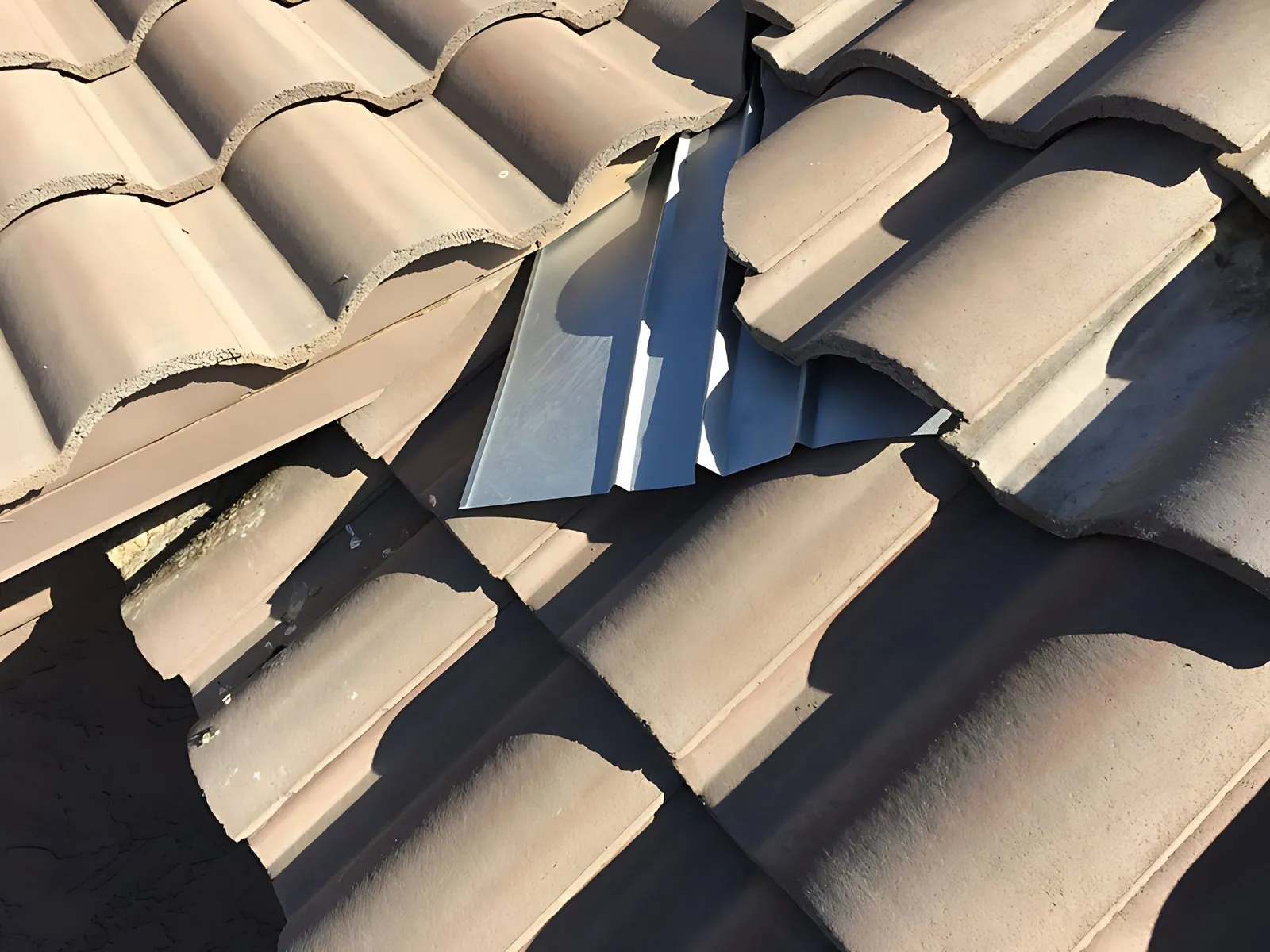
How solar affects different roof types
Tile roofs
Tile is brittle and cracks easily under foot. Solar installation on tile requires removing or modifying tiles at mounting points and walking carefully. Cracked tiles and poorly flashed mounts are common sources of leaks after installation. Ask the installer how they flash mounts through tile and how they handle broken tiles.
Shingle roofs
Mounts are fastened through the shingles into the structure and flashed to shed water. Done correctly, this is reliable. The flashing details are what matter most.
Flat and foam roofs
Flat roofs may use mounts that penetrate the roof or ballasted racks that sit on top. Penetrations through foam must be properly sealed and coated, and racks should not block drainage or sit where water ponds.
Leak prevention: it is all in the details
Each solar mount is a penetration through your roof. With dozens of mounts on a typical system, there are many places for water to get in if flashing is not done right. Good practices include:
- Properly flashed mounts designed for your roof type
- Fastening into structural members, not just the deck
- Replacing cracked tiles and protecting underlayment around mounts
- Keeping conduit runs neat and properly sealed where they penetrate
- Leaving drainage paths open, especially on flat roofs
Warranties and solar
Installing solar can affect your roof warranty. Many roofing warranties exclude damage caused by other trades or by equipment added later. Before installation:
- Read your roofing workmanship and manufacturer warranty documents.
- Ask the solar company what warranty they provide on roof penetrations and leaks.
- Keep records of who did what, and when.
If something leaks later, knowing who is responsible for which part of the roof saves frustration. See our warranty guide.
Maintaining a roof with solar panels
- Keep inspecting. Panels make it harder to see the roof, so professional inspections are even more useful.
- Watch for birds. Pigeons often nest under panels, bringing debris that clogs drainage. Critter guards can help.
- Check after storms. Monsoon winds and hail can affect panels and the roof beneath.
- Do not climb up to clean panels yourself, especially on tile. Hire professionals for cleaning and roof work.
When your roof needs work under existing panels
If your roof needs repair or replacement and you already have solar, the panels typically need to be removed for the affected area and reinstalled afterward. This usually involves coordinating with a solar company. Plan ahead, ask your roofer how they coordinate the work, and schedule outside of monsoon season when possible.
Learn more about roof replacement or schedule a roof inspection.
A simple pre-solar checklist
- Find out your roof's age and material, including when tile underlayment was last replaced.
- Schedule a roof inspection before signing a solar agreement.
- Make needed repairs or replacement first, so the panels go onto a sound roof.
- Ask the solar installer how they mount and flash on your roof type, and how they handle broken tiles.
- Review warranties for both the roof and the solar penetrations, and get them in writing.
- Check HOA requirements for the review process. See our HOA roofing guide.
- Plan for critter guards to keep pigeons from nesting under the array.
- Keep all paperwork together in one place for future repairs or a home sale.
Taking these steps up front helps your roof and your solar system work together for years, rather than competing for attention when something goes wrong.
Questions & answers
Should I replace my roof before installing solar?
If your roof is near the end of its typical lifespan, replacing it first is often wise. Removing and reinstalling panels later adds work and coordination. In Arizona, shingle roofs around 20–30 years old and tile roofs with aging underlayment are good candidates to address before solar goes on.
Can solar panels cause roof leaks?
They can if the mounts are not properly flashed and sealed. Each mount is a penetration through the roof, and tile roofs are especially prone to cracked tiles during installation. Properly installed and flashed mounts are reliable. Inspections after installation help catch any issues early.
Do solar panels void my roof warranty?
They may affect it, depending on the warranty terms and how the panels are installed. Many roof warranties exclude damage from other trades or added equipment. Review your warranty documents and ask your solar installer what coverage they provide for roof penetrations before work begins.
How do I keep pigeons out from under my solar panels?
Critter guards, typically mesh barriers installed around the panel edges, are a common solution. Pigeons are drawn to the shade and shelter under panels, and their nests and droppings can clog drainage and damage roofing. It is best to have guards installed by professionals rather than climbing up yourself.
Talk to a roofer who knows Arizona roofs.
Call for a free estimate. Open Monday through Friday 7–5 and Saturday 8–2.