Guide
Roof Insurance Claims, Explained
A roof insurance claim generally starts with documenting damage, reviewing your policy, and reporting the claim to your insurer. An adjuster inspects the roof and the insurer decides coverage. Sudden storm damage is treated differently from wear and age, and every outcome depends on your specific policy.
Important: every policy is different
This guide explains the general process so you know what to expect. It is not legal or insurance advice, and no roofer can promise what an insurer will decide. Coverage, deductibles, exclusions and timelines all depend on your specific policy. When in doubt, read your policy documents and ask your insurance agent or carrier directly.
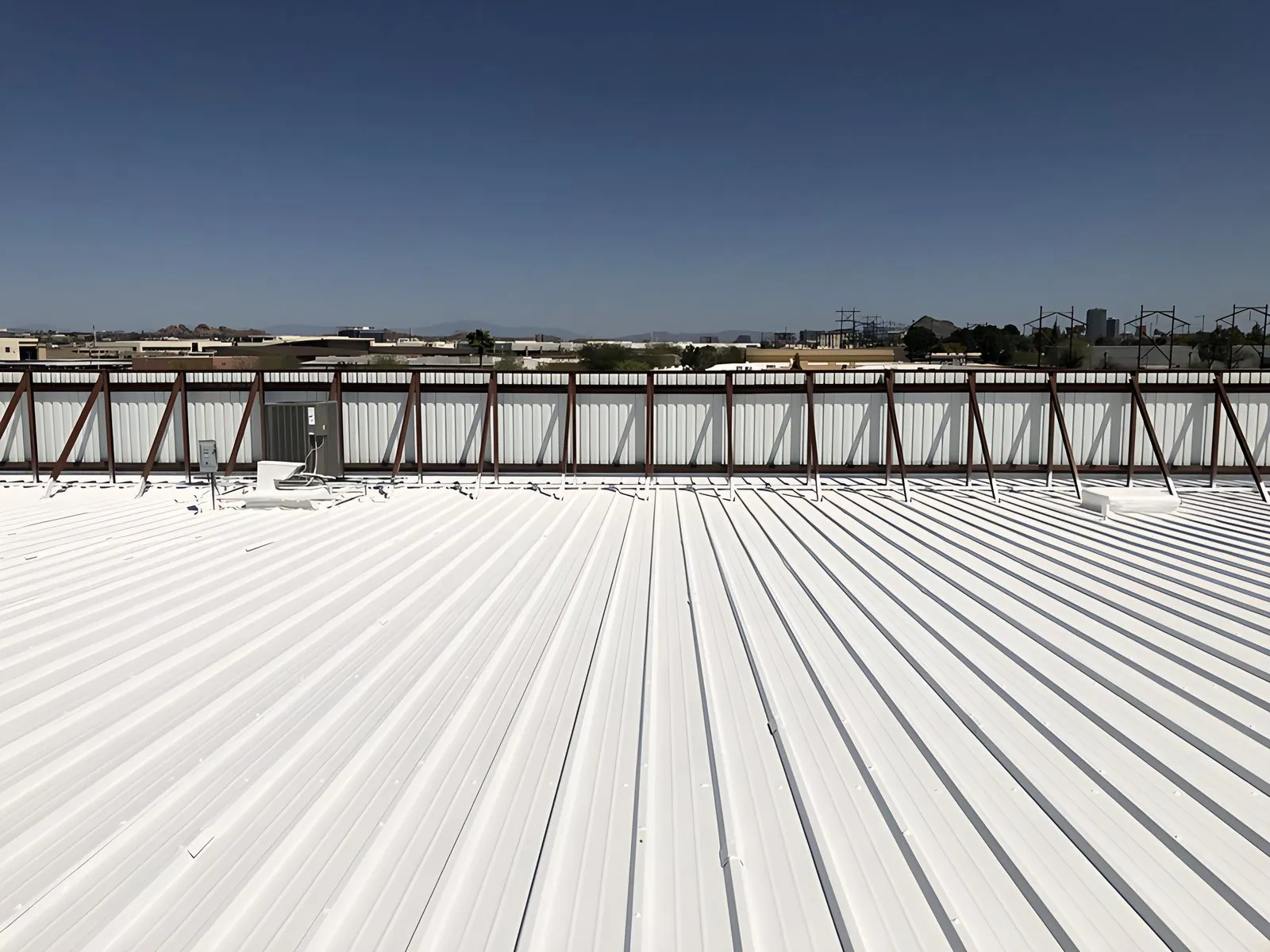
Storm damage vs. wear and tear
The most important distinction in roof claims is why the damage happened.
- Sudden, accidental damage, such as shingles torn off in a monsoon windstorm, tiles broken by hail or a tree limb falling on the roof, is the kind of damage many homeowners policies are designed to address.
- Gradual deterioration, such as UV-worn shingles, underlayment that has aged out beneath tile, or a foam roof that was not recoated, is generally considered maintenance. Many policies exclude it.
In Arizona, the line can blur. A monsoon storm may cause a leak on a roof that was already worn. How your insurer views that depends on the policy and what the adjuster finds. This is one reason regular inspections and records help: they show the roof was maintained.
Step by step: how a claim usually works
- Protect your home. Take reasonable steps to prevent further damage, such as containing leaks inside and arranging a temporary roof repair or tarp. Many policies expect this. Keep receipts.
- Document the damage. Take dated photos and video of interior damage and, from the ground, of visible roof damage. Note the date of the storm.
- Get a roof inspection. A roofer can tell you whether there is damage and what it looks like. This helps you decide whether to file.
- Review your policy. Check your deductible, coverage type and any time limits for reporting.
- Report the claim to your insurer or agent.
- Adjuster inspection. The insurer sends an adjuster to inspect the roof and interior damage.
- Insurer's decision. The insurer reviews findings and explains what it will and will not cover.
- Repairs. Once you understand coverage, you schedule repair or replacement with the contractor you choose.
Documenting damage well
Good documentation helps you, your roofer and your insurer see the same picture:
- Photos of ceiling stains, wet insulation and damaged belongings, with dates
- Ground-level and binocular photos of missing shingles, broken tiles or debris on the roof
- Photos of hail if it fell, with a common object for size
- Local weather reports or news coverage of the storm
- Records of past inspections, repairs and roof age
- Receipts for emergency repairs or protective measures
Please do not climb onto the roof to take pictures. A roofer can photograph roof-level damage safely.
How a roofer can help
A qualified roofer can:
- Inspect the roof and explain what damage is present and what likely caused it
- Make emergency repairs to prevent further damage
- Provide photos and a written estimate for repairs or replacement
- Be available to discuss roof conditions when the adjuster visits, if you want that
What a roofer should not do is promise you a claim will be approved or tell you your roof will be "free." Payne Roofing will tell you honestly what we see on the roof. Coverage decisions belong to your insurer.
Be cautious after big storms
After major storms, homeowners sometimes get knocks on the door from people offering inspections and promising insurance will pay for a new roof. Take your time. Before you sign anything:
- Verify the contractor's Arizona license at https://roc.az.gov. Payne Roofing holds ROC #138549 and ROC #194202.
- Ask for a local address and phone number.
- Read any contract carefully and understand what you are agreeing to.
- Talk with your insurer before committing to work tied to a claim.
Our guide to hiring a roofing contractor has more tips.
Keeping records that help later
The best time to prepare for a future claim is before you need one. Keep a simple roof file with:
- The year the roof was installed or last replaced, and the material
- Invoices and warranty documents from installation and repairs
- Reports and photos from routine inspections
- Dates of foam or coating recoats on flat roofs
- A few current photos of the roof and ceilings in good condition
Records like these make it easier to show what changed after a storm and that the roof was cared for. They are also useful when you sell your home.
Questions & answers
Does homeowners insurance cover roof leaks in Arizona?
It depends on your policy and what caused the leak. Leaks from sudden events such as monsoon wind or hail damage are often treated differently from leaks caused by age and wear, which many policies exclude. Review your policy and talk with your insurer to understand your specific coverage.
Should I call a roofer or my insurance company first?
Many homeowners call a roofer first for an inspection and any emergency repairs, then contact their insurer. An inspection helps you understand whether there is real damage and how significant it is before filing. Check your policy for reporting deadlines so you do not wait too long.
Can a roofer guarantee my insurance claim will be approved?
No, only your insurer decides what is covered. A roofer can inspect, document damage, provide an estimate and explain what they found, but coverage depends on your policy and the insurer's review. Be cautious of anyone who promises a claim will pay for a new roof.
Will filing a roof claim raise my insurance rates?
That depends on your insurer and policy, and it is a question for your insurance agent. Some homeowners compare the repair estimate with their deductible before deciding whether to file. Your agent can explain how claims may affect your policy and premiums.
Talk to a roofer who knows Arizona roofs.
Call for a free estimate. Open Monday through Friday 7–5 and Saturday 8–2.