Homeowner tip
Fall Roof Checklist
Fall is the time to find and fix monsoon damage before winter rains. After September 30, check your roof from the ground and attic, clear leaves and dust from gutters and drains, schedule a professional inspection, and use the mild weather to plan repairs, recoats or a replacement.
Why fall is a key roof season
Arizona's monsoon season ends September 30, and by then your roof has been through months of extreme heat and several storms. Some damage shows up right away as leaks. Other damage, like a loosened flashing seam or a cracked tile, may not leak until the winter rains.
Fall also brings comfortable weather for roof work. Temperatures are milder, storms are less frequent, and coatings and roofing materials are easier to work with than in midsummer. That makes autumn an ideal time for repairs and larger projects.
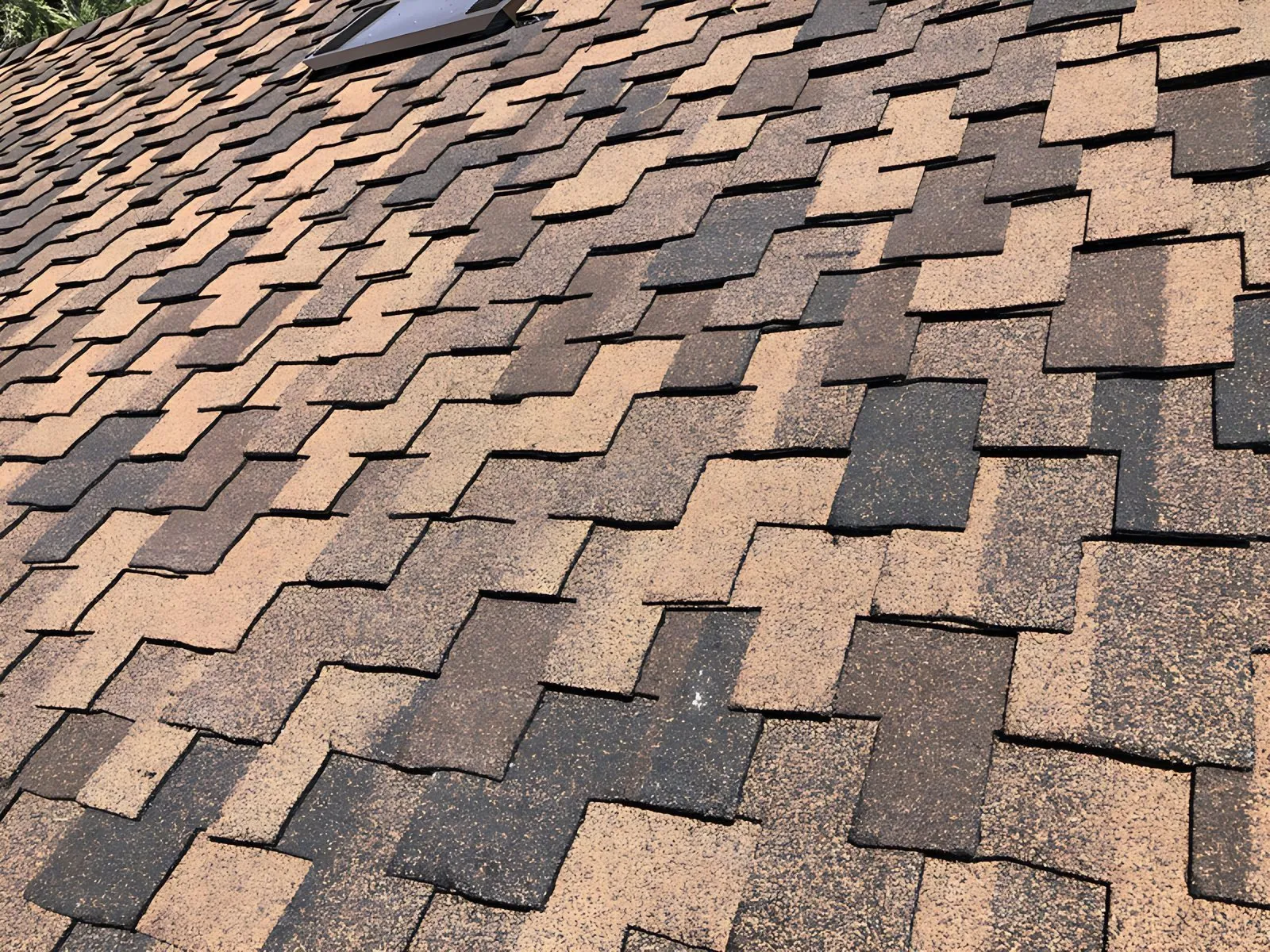
Check for monsoon damage
From the ground, using binoculars, look for:
- Missing, lifted or creased shingles
- Cracked, slipped or missing tiles
- Loose ridge caps or hip tiles
- Bent or detached gutters and downspouts
- Debris on the roof such as branches or palm fronds
- Damage to rooftop coolers, AC units or solar panels
Inside, check ceilings and the attic for water stains, damp insulation or daylight. Note anything that appeared during the summer, even if it has dried. See our fall roof checklist article for more.
Clean up and clear drainage
- Clean gutters and downspouts of leaves, dust and storm debris.
- Have valleys and flat roof drains cleared if debris is visible.
- Trim trees that grew over the roof during the summer.
- Look for pigeon activity under tile or solar panels. Fall is a good time to install bird stops or critter guards.
- Winterize evaporative coolers, and check that their drain lines and covers are secure so they do not leak onto the roof.
Schedule your fall inspection
Payne Roofing recommends inspections every spring and fall. A fall inspection looks closely for storm damage, checks flashing and penetrations, evaluates coating condition on flat roofs, and, on tile roofs, can check underlayment condition in key areas.
If the inspection turns up worn tile underlayment, a foam roof due for recoating, or a shingle roof near the end of its life, fall and winter are good seasons to plan and complete that work before next year's heat and storms. Learn more about roof inspections.
Plan ahead for next year
Fall is also a good moment to step back and think about the roof's long-term picture. How old is it? How many repairs has it needed in the last few years? Did it leak during more than one storm this summer? If the answers point toward bigger work, use the fall and winter months to get estimates, compare materials, check HOA requirements and line up any approvals.
Planning now means you can schedule work for mild weather instead of scrambling for an emergency repair next July. Our guide on repairing versus replacing can help you think it through.
Quick fall checklist
- Binocular check for monsoon damage
- Attic and ceiling check for stains
- Clean gutters, valleys and drains
- Trim trees and address bird nesting
- Winterize the evaporative cooler
- Book a professional inspection
- Plan repairs, recoats or replacement during mild weather
Questions & answers
Why get a roof inspection in the fall?
A fall inspection finds damage left by monsoon storms before winter rains turn it into leaks. It also comes at a good time for repairs, since fall weather is milder and storms are less frequent. Payne Roofing recommends inspections every spring and fall.
Is fall a good time to replace a roof in Arizona?
Fall is often an excellent time for roof replacement in Arizona. Temperatures are milder, monsoon storms have ended, and the weather is generally stable for roofing and coating work. Planning in fall also means your new roof is ready before next summer's heat.
What fall roof maintenance can I do myself?
Quite a bit, as long as you stay off the roof itself. You can safely check the roof from the ground with binoculars, look in the attic and ceilings for stains, clean gutters from a ladder if you are comfortable, and trim trees. Leave roof-level work, especially on tile, to professionals.
Talk to a roofer who knows Arizona roofs.
Call for a free estimate. Open Monday through Friday 7–5 and Saturday 8–2.