Guide
Commercial Roof Maintenance Plans
A commercial roof maintenance plan schedules regular inspections, typically in spring and fall and after major storms, plus routine work like clearing drains, sealing penetrations, repairing coatings and documenting conditions. In Arizona, it helps manage heat and UV wear, prepare for monsoon storms, and plan recoats or replacements before emergencies.
Why commercial roofs need a plan
Commercial roofs are often flat or low-slope, cover large areas and carry heavy equipment like HVAC units. Problems tend to start out of sight, and by the time water reaches a ceiling tile or inventory, the damage can be significant. A leak at a business can mean disrupted operations, damaged equipment and unhappy tenants or customers.
A maintenance plan turns roof care from reactive to proactive. Rather than waiting for leaks, a roofer inspects on a schedule, fixes small issues and gives you the information to budget for larger work.
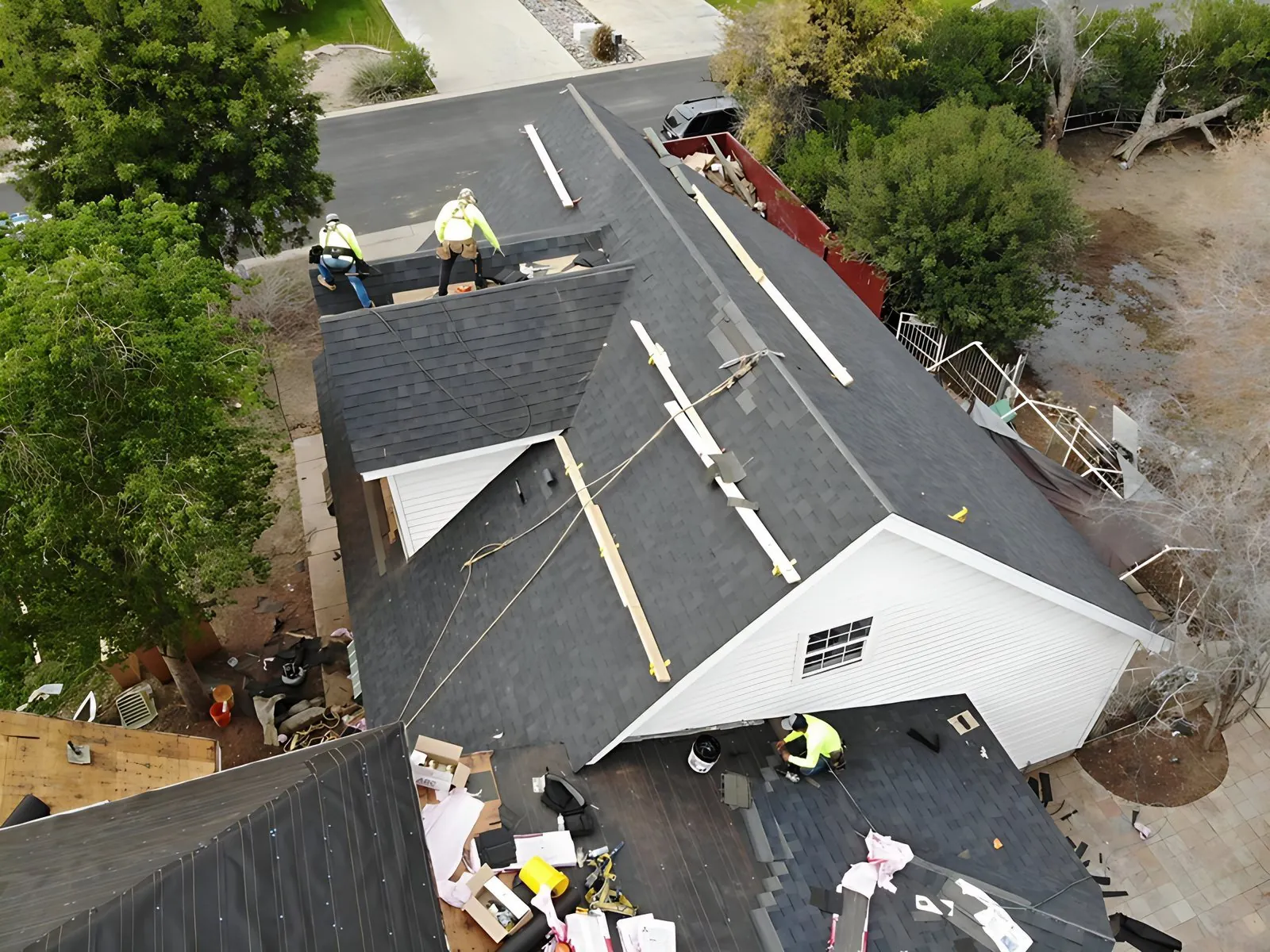
What a typical plan includes
Every building is different, but most plans cover:
- Scheduled inspections, often twice a year, in spring and fall
- Post-storm inspections after monsoon wind, heavy rain or hail
- Drain, scupper and gutter cleaning to prevent ponding and backups
- Penetration and flashing checks around HVAC, vents, skylights and pipes
- Minor repairs to coatings, seams, blisters and flashing
- Debris removal, including dust, trash and nesting material
- Condition reports with photos and recommendations for upcoming work
Maintenance by roof system
Spray polyurethane foam
Monitor coating condition and recoat on schedule, typically roughly every 5–10 years depending on the coating. Repair punctures and bird damage promptly, and watch high-traffic areas around equipment.
Built-up roofing (BUR)
Check for blisters, cracks, exposed felts and loose gravel, and pay close attention to flashing at parapets and penetrations.
Single-ply membranes
Inspect seams, punctures, shrinkage at edges and flashing details.
Metal roofs
Look for loose fasteners, failed sealant at seams and penetrations, and any corrosion.
Coatings
Elastomeric and other roof coatings protect and reflect heat, but they wear. Track thickness and reapply as needed.
Tile and shingle
Commercial and multifamily properties with pitched roofs need the same care as homes: cracked tiles, underlayment age, flashing and valleys.
Arizona-specific priorities
- UV and heat. Coatings and membranes age fastest under Arizona sun. Plan recoats before material is exposed.
- Monsoon readiness. Clear drains and scuppers before June 15. Flat roofs can collect a lot of water fast in a heavy storm.
- Dust. Haboobs leave dirt that clogs drains and dulls reflective coatings.
- HVAC traffic. Technicians servicing rooftop units can damage coatings. Walk pads and clear paths help.
- Birds. Pigeons nesting around equipment create debris and can damage foam.
Recordkeeping and budgeting
One of the biggest benefits of a plan is documentation. Over time you build a history of your roof's condition, repairs and recoats. That helps you:
- Forecast recoating and replacement needs and budget ahead
- Show maintenance history for warranty purposes
- Provide information to buyers, lenders or tenants
- Support insurance conversations after storm damage
Responding to leaks and emergencies
Even with good maintenance, storms happen. A plan should include a clear way to report leaks and get a fast response. Payne Roofing offers prompt emergency roof repairs; call 480-988-9250 during business hours.
Inside the building, staff should know to move equipment and inventory away from leaks, contain water and note the location and time for the roofer.
Choosing a commercial roofing partner
Look for a licensed, insured contractor experienced with your roof system. Payne Roofing works on polyurethane foam, metal, tile, built-up, single-ply and shingle roofs, as well as roof coatings, wall coatings and waterproofing, and holds Arizona ROC #138549 and ROC #194202. Learn more on our commercial roofing page.
A sample year of commercial roof care
Every building is different, but a typical maintenance year in the Valley might look like this:
- Spring (March to May): full inspection, drain and scupper cleaning, repairs to coatings and flashing, and a plan for any recoating before summer.
- Early June: confirm drains are clear and rooftop equipment is secure ahead of the June 15 start of monsoon season.
- Monsoon season (June 15 to September 30): respond to leaks quickly and schedule inspections after significant wind, hail or heavy rain.
- Fall (October to November): second full inspection to catch monsoon damage, update the condition report and adjust the budget for next year.
- Winter: address any repairs left from fall and plan larger projects such as recoats or replacements for milder weather.
The schedule matters less than consistency. A roof that is looked at regularly rarely surprises anyone.
Questions & answers
How often should a commercial roof be inspected?
Most commercial roofs benefit from inspections at least twice a year, typically in spring and fall, plus after major storms. Buildings with heavy rooftop equipment traffic or older roofs may need more frequent checks. Regular inspections catch coating wear, drain clogs and flashing issues before they cause leaks.
What is included in a commercial roof maintenance plan?
A typical plan includes scheduled inspections, drain and scupper cleaning, checks of flashing and penetrations, minor repairs, debris removal and written condition reports. The exact scope depends on the roof system and building. The goal is to catch small problems early and plan larger work ahead.
Do commercial roof coatings need maintenance?
Yes, coatings wear under Arizona sun and need periodic inspection and reapplication. As coatings thin, they protect and reflect less, and the material underneath becomes exposed. Tracking coating condition through a maintenance plan helps you recoat on time rather than after damage begins.
Can maintenance extend the life of a commercial roof?
Generally, yes. Clearing drains, sealing penetrations, repairing damage promptly and recoating on schedule help a roof reach its full potential lifespan. Maintenance cannot stop aging, but it prevents many of the leaks and water damage that shorten a commercial roof's life.
Talk to a roofer who knows Arizona roofs.
Call for a free estimate. Open Monday through Friday 7–5 and Saturday 8–2.