Blog: Roof Replacement
When Should I Replace My Roof?
You can often tell whether your roof may need replacing without climbing on it. Check from the ground with binoculars for curled, cracked or missing shingles and broken tiles, look in the attic for daylight and water stains, and check gutters for granules. If you see several warning signs, schedule a professional inspection.
Not Sure If You Need a New Roof? You're Not Alone
If you are unsure whether you need a new roof, or when you will, you are in good company. Most homeowners do not think about the roof until something goes wrong. Maybe you just noticed a stain on the ceiling, or a neighbor is re-roofing and you wonder whether yours is next.
The good news is that you can learn a lot about your roof's condition without setting foot on it. This guide walks you through a safe, three-part self-check: from the ground, from the attic and from inside your living space. It will not replace a professional inspection, but it will help you know when to call one.
Safety First: Stay Off the Roof
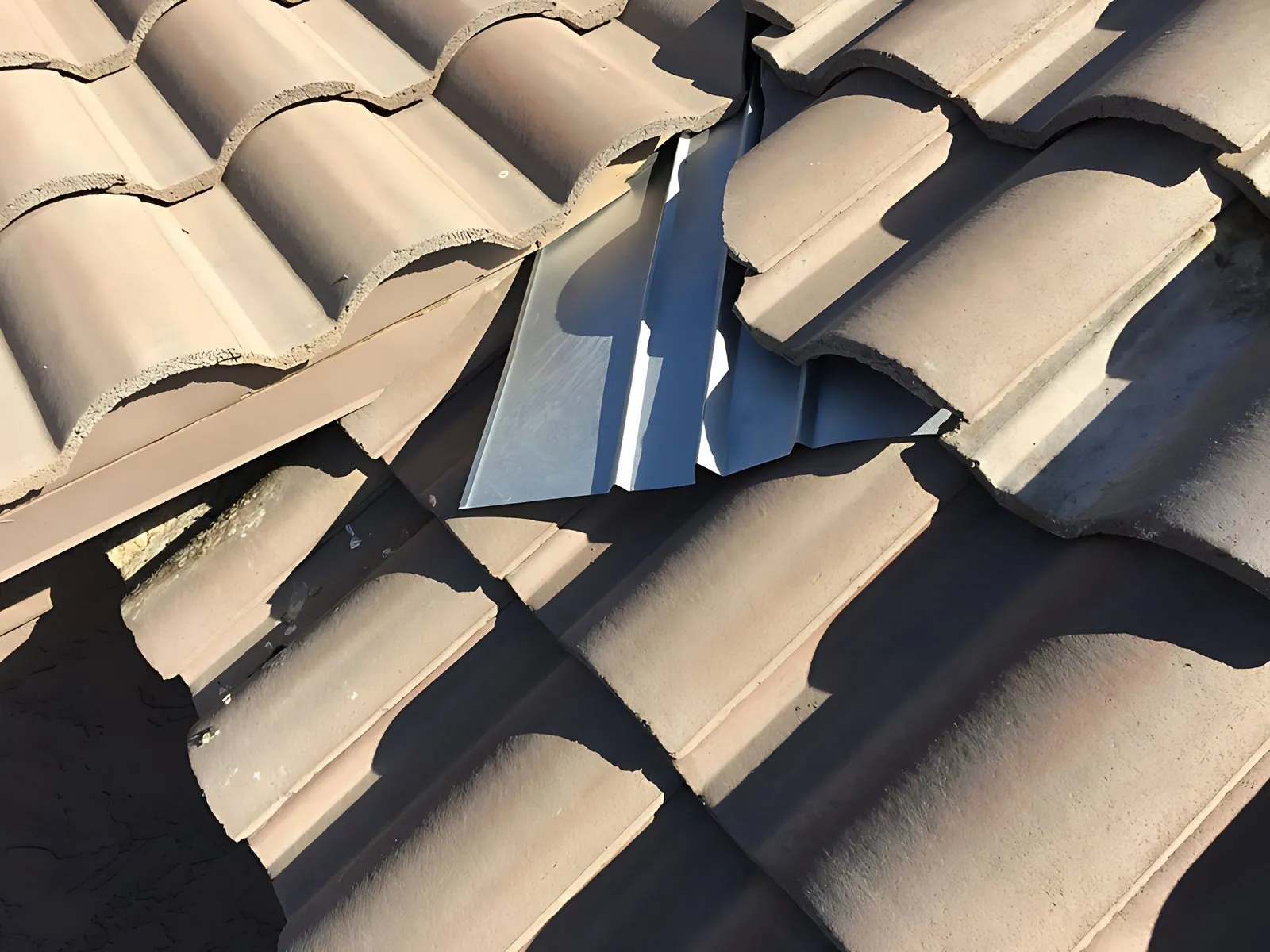
Please do not climb onto your roof to check it. Roofs are slippery and steep, and in an Arizona summer the surface can get dangerously hot. Tile roofs add another risk: concrete and clay tiles crack easily underfoot, and a cracked tile can create the very leak you were looking for. Everything below can be done from the ground or inside your home.
Step 1: Check From the Ground
Walk around your home with a pair of binoculars, ideally in morning or late-afternoon light. Look for:
- Curled or cupped shingles. Shingle edges that turn up or corners that lift are a common sign of heat and UV damage and can let wind-driven rain underneath.
- Missing or cracked shingles. Gaps or visible cracks are a good indicator the roof is wearing out, especially if they appear in many places.
- Bare or dark patches. Areas where shingles have lost their protective granules look different in color and texture.
- Broken or slipped tiles. On tile roofs, look for cracked pieces, gaps and tiles that have shifted out of line.
- Sagging lines. A roofline that dips may indicate deck or structural problems and should be checked promptly.
- Loose or rusted flashing. Look around chimneys, walls and vents.
Step 2: Check Your Gutters
If your home has gutters, look at what collects in them and at the downspout outlets. Granules that look like coarse sand are worn off asphalt shingles. Some granule loss is normal on a new roof, but if you see a lot of granules and your roof is over 20 years old, the shingles are losing their protection and replacement may be approaching.
Step 3: Check the Attic
If you can safely access your attic, bring a flashlight and look up at the underside of the roof deck. Step only on framing, never on insulation or drywall. Look for:
- Light shining through. Daylight coming through the roof boards means there are openings where water can also enter. Check those areas for signs of water damage.
- Water stains or dark spots on the wood, especially around vents, chimneys and valleys.
- Damp or compressed insulation.
- A musty smell, which can point to ongoing moisture.
If you see light and evidence of water damage, call a roofing contractor to inspect the roof.
Step 4: Check Inside Your Home
- Brown or yellow stains on ceilings, especially after rain
- Peeling paint or bubbling drywall near the ceiling line
- Stains on upper walls or around skylights
Step 5: Factor In the Roof's Age
If your roof is 20 to 30 years old, it is a good time to have it inspected with replacement in mind. Many Arizona shingle roofs need significant repairs or replacement in that range. Tile roofs can last much longer because the tiles are durable, but the underlayment often needs attention around 20 to 30 years. With proper installation and routine maintenance, many roofs can last well beyond their minimum expected life.
What Your Self-Check Results Mean
One minor issue usually means a repair. Several warning signs, especially on an older roof, suggest it is time for a professional to evaluate replacement. Either way, an inspection gives you a clear answer.
Payne Roofing has served homeowners and businesses across the Phoenix area and East Valley since 1984. We will inspect your roof, show you what we find and explain your options honestly. Call 480-988-9250 or learn more about roof replacement.
Questions & answers
Is it safe to climb on my roof to check for damage?
No, we do not recommend it. Roofs are slippery and can be extremely hot in Arizona, and tile cracks easily underfoot, which can create new leaks. Use binoculars from the ground, check your attic and ceilings, and leave the on-roof inspection to a professional.
What does light in my attic mean?
Light coming through the roof boards means there are openings in the roof where water can also get in. Check the surrounding wood and insulation for stains or dampness. If you see light and any signs of water damage, have a roofer inspect the roof soon.
Are shingle granules in my gutters a problem?
Some granule loss is normal, especially on a new roof. Heavy granule buildup on an older roof, particularly one over 20 years old, means the shingles are losing their UV protection and wearing out. That is a sign to schedule an inspection and consider replacement.
How long should my roof last in Arizona?
It depends on the material and maintenance. Asphalt shingles typically last around 20 to 30 years here. Tile can last 50 years or more, though its underlayment often needs replacement around 20 to 30 years. Regular maintenance helps any roof reach its full life.
What should I do if my self-check finds problems?
Schedule a professional roof inspection. A roofer can confirm what you found, check areas you cannot see safely and recommend a repair or replacement. Call Payne Roofing at 480-988-9250 to set up an inspection anywhere in the Phoenix area and East Valley.
Talk to a roofer who knows Arizona roofs.
Call for a free estimate. Open Monday through Friday 7–5 and Saturday 8–2.